

Guiding your Nigerian Dwarf journey
At Briar Hill Farm, our genuine love for Nigerian Dwarf goats extends beyond our herd to sharing valuable knowledge. Whether you're a new owner or looking to breed responsibly, we're here to offer guidance and support for a thriving experience with these wonderful animals.
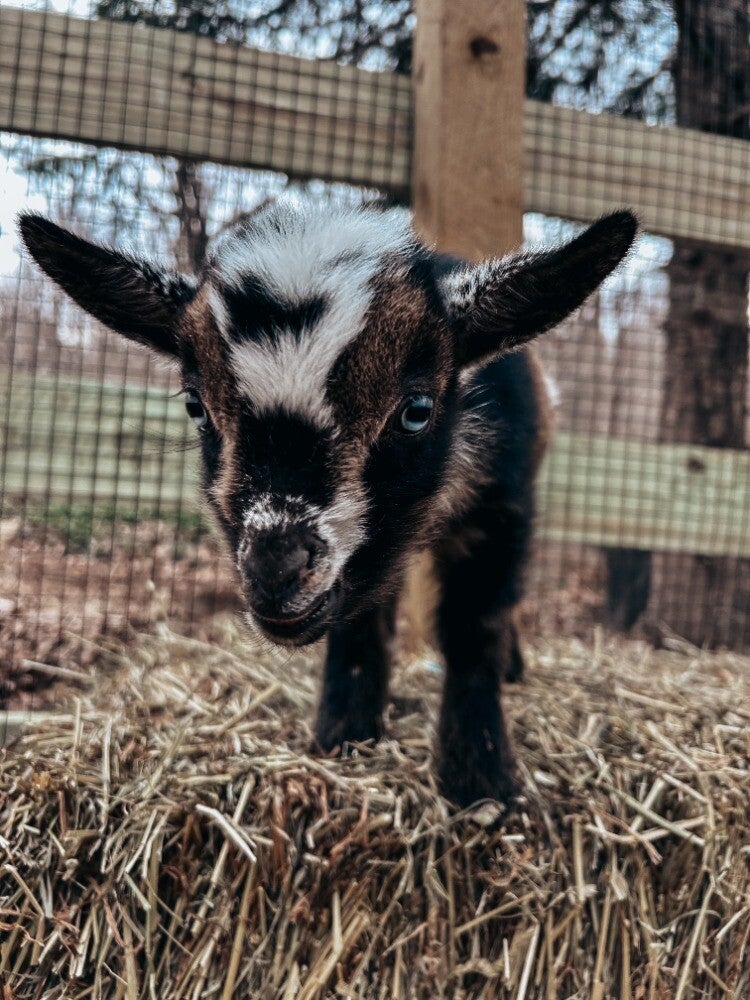
The Foundation of Health: Nutrition and Maintenance
Understanding proper nutrition and consistent maintenance are paramount for the well-being of your herd. Learn how to provide a balanced diet, recognize vital health signs, and implement effective maintenance routines that contribute to the long-term vitality and productivity of your Nigerian Dwarf goats. These are the top two things we hope you'll master for responsible ownership.
Nurturing new beginnings: Bottle feeding essentials and General Care
Dive into the essentials of bottle feeding and general care for your Nigerian Dwarf goats. We share practical advice gathered from our hands-on experience, ensuring your kids get the best start. From proper techniques to daily routines, we'll guide you every step of the way to healthy and happy growth.
Common Mistakes New Goat Owners Make
Don’t overfeed “because they’re acting like they are starving”
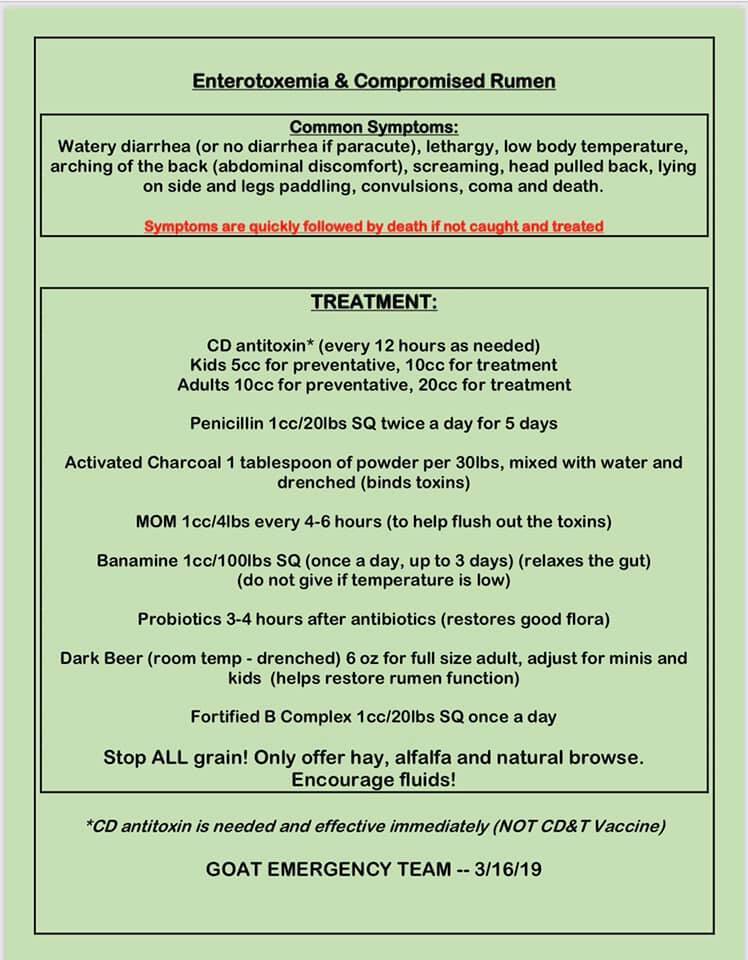
Why: Nigerian Dwarfs have tiny stomachs. Overfeeding = scours, bloat, or enterotoxemia.
More milk ≠ more growth. It = vet bill. Keep them on a feeding schedule and adjust volume over time.
Don’t feed milk replacer with soy, whey-heavy fillers, or calf formulas
Why: Nigerian Dwarf kids cannot digest soy well. This causes chronic diarrhea and poor growth.
If the label says “calf” anywhere—walk away.
Don’t change milk types suddenly
Why: Their gut bacteria will revolt. Abrupt switches = scours within hours.
If you must switch, do it gradually over 3–5 days.
Don’t feed milk too cold or too hot
Why: Cold milk = slow digestion + scours
Hot milk = burned mouth + refusal to eat
Aim for 102–103°F (39°C)—goat body temp.
Don’t eyeball bottle amounts
Why: Nigerian Dwarfs are not mini standard goats—they need precision feeding.
Eyeballing leads to overfeeding fast.
Don’t enlarge nipple holes
Why: Fast flow = aspiration (milk in lungs), pneumonia, or choking.
If they’re fighting the bottle, it’s usually a position or patience issue, not the nipple.
FEEDING TECHNIQUE & SCHEDULE FAILS
Don’t bottle-feed with the kid’s head down
Why: Milk can go into the lungs instead of the stomach → aspiration pneumonia (silent, deadly).
Head should be level or slightly up, like nursing from mom.
Don’t feed on an inconsistent schedule
Why: Irregular feeding messes with digestion and causes screaming + scours.
Goat stomachs love routine.
Don’t skip feedings
Why: This stresses kids and can cause hypoglycemia in small breeds.
Don’t let kids gulp air while feeding
Why: Air intake contributes to bloat.
Make sure the nipple stays full of milk while feeding.
HEALTH & SANITATION
Don’t skip colostrum in the first 24 hours
Why: Colostrum = immunity. No colostrum = fragile immune system for life.
Don’t reuse dirty bottles or nipples
Why: Milk residue grows bacteria FAST → scours and infections.
Wash after every feeding. No exceptions.
Don’t ignore early diarrhea (“it’ll clear up”)
Why: In Nigerian Dwarfs, scours can turn serious with dehydration and malnutrition within hours.
Early action saves lives.
Don’t automatically deworm for scours
Why: Most bottle-baby diarrhea is dietary or coccidia, not worms.
Random deworming causes resistance and doesn’t fix the real problem.
WEANING & SOLID FOOD MISTAKES
Don’t wean based on age alone
Why: Nigerian Dwarfs mature slower.
Wean based on grain intake, rumen development, and weight, not the calendar.
Don’t stop bottles cold turkey
Why: Sudden weaning = stress, weight loss, immune dips, and screaming drama.
Gradual step-down is key.
Don’t feed grain too early or too much
Why: Overloading grain before rumen maturity can cause acidosis or bloat.
Hay first. Grain later. Slow increases.
Don’t withhold water until weaning
Why: Water is essential for rumen development.
No water = delayed digestion and poor growth.
SOCIAL & BEHAVIORAL MISTAKES
Don’t raise a single bottle baby alone
Why: Solo kids grow up neurotic, aggressive, or depressed.
Always have a goat buddy—even another species is better than nothing.
Don’t encourage head-butting or rough play
Why: Cute now = dangerous later. Bottle babies imprint HARD.
Never push heads or play fight.
Don’t let kids jump on people
Why: Nigerian Dwarfs stay small—but their attitudes do not.
Bad manners stick for life.
TEMPERATURE & ENVIRONMENT FAILS
Don’t overheat kids with heat lamps
Why: Overheating stresses them and increases dehydration risk.
Warm + dry > hot.
Don’t let kids get chilled before feeding
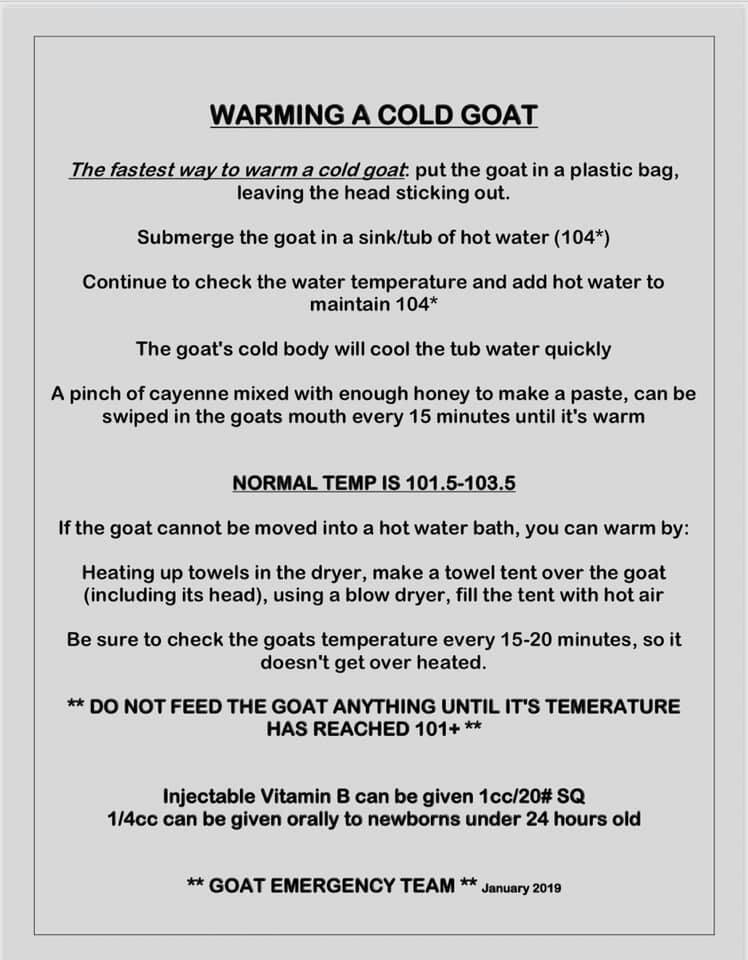
Why: Cold kids cannot digest milk.
Cold + milk = fermentation = bloat.
Complete Bottle Baby Checklist
Bottle-Feeding Essentials (Birth → ~8–10 weeks)
Milk & Feeding Gear
- Goat milk (preferred) or
- High-quality goat milk replacer (kid-specific; no soy, no medicated calf replacer)
- Baby bottles (Pritchard nipples or lamb/kid nipples work best)
- Extra nipples (they wear out fast)
- Bottle brush
- Thermometer (milk temp should be ~102–103°F / 39°C)
- Measuring cup (accurate volumes matter)
- Pot or kettle (for warming milk)
- Storage containers (for mixed or thawed milk)
Critical Early-Life Health Items
First Days
- Colostrum (fresh, frozen, or commercial—absolutely essential)
- Feeding syringe or tube feeder (emergency use if kid won’t suck)
- Digital scale (to track weight gain)
- Notebook or app (feeding amounts, times, health notes)
- Supplements & Preventatives
- Selenium/Vitamin E gel (if deficient in your region)
- Probiotics (great during stress or scours)
- Electrolytes (for dehydration or digestive upset)
- BoSe or equivalent (ONLY if prescribed/needed)
- Iodine or chlorhexidine (for dipping navels at birth)
Housing & Comfort
- Draft-free pen or stall
- Heat lamp (securely hung!) or warming pad (cold climates)
- Deep bedding (pine shavings or straw)
- Small towels or blankets (weak or chilled kids)
- Low, tip-proof water bucket (introduced early)
Introducing Solid Foods (2–3 weeks onward)
Feed
- High-quality goat starter grain
- 16–18% protein
- Medicated only if recommended in your area
- Loose goat minerals (never blocks)
- Baking soda (free-choice, small amounts)
- Fresh grass hay (soft, leafy—2nd cut or mixed)
- Clean fresh water (daily refresh)
- Feeding Equipment
- Shallow feed pan
- Hay rack (keeps hay clean)
- Mineral dish (separate from grain)
Health & Routine Care (Pre- & Post-Weaning)
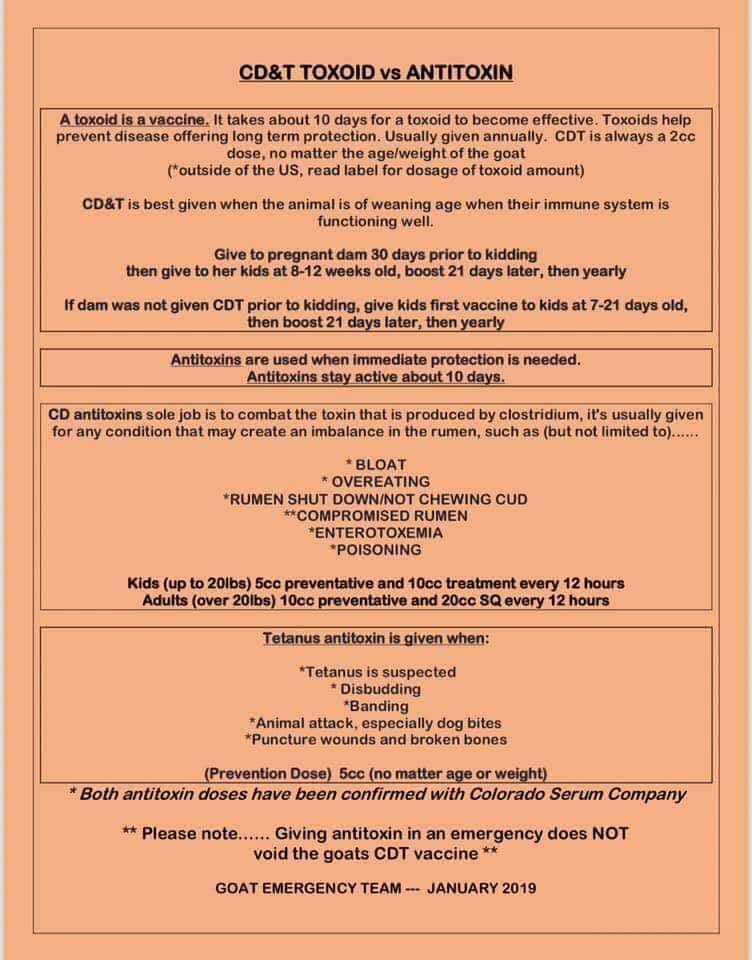
- CD&T vaccine
- Syringes & needles (proper size for kids)
- Dewormer (only as needed—don’t overuse)
- FAMACHA card (parasite monitoring)
- Hoof trimmers (start young!)
- Disinfectant (basic biosecurity)
Weaning-Specific Supplies (Usually 8–12 weeks)
- Consistent solid feed access
- Extra hay (intake increases fast)
- Stress-reducing probiotics
- Buddy goat (VERY important—goats hate being alone)
- Patience (not sold in stores, sadly)
Signs You’re Ready to Wean (Checklist)
Make sure the kid:
- Eats grain confidently (½–1 cup/day minimum unless buck or whether **please read through sections involving males thoroughly if you have one**)
- Actively chews hay
- Drinks water regularly
- Maintains or gains weight
- Is at least 8 weeks old (10–12 is safer)
Nice-to-Have but Not Required
- Automatic bottle feeder (for multiples)
- Goat coats (cold climates)
- Coccidia test kits
- Milk frother (for mixing replacer smoothly)
Steps to raise goat kids
The right nutrition plays a pivotal role in raising healthy baby goats. During the first few weeks of life, goats rely heavily on milk or colostrum for their energy and nutrient requirements. Colostrum is rich in antibodies and should be fed within the first 24 hours after birth to enhance immunity. Moreover, transitioning to a well-balanced diet that includes high-quality hay, grains, and pasture can effectively support their rapid growth.
It is necessary to follow several best practices related to nutrition, the environment, and personal care. Here are some key strategies: By adopting these best practices, individuals can work toward a more holistic and sustainable approach to health and well-being. Not only can these strategies benefit one’s personal life, but they can also contribute to the betterment of the broader community and the environment. Here are some key strategies:
- Feeding Colostrum Early: Ensure the baby goat feeds from its mother within the first hour after birth to receive essential colostrum, which is rich in antibodies and crucial for building immunity. If the kid does not feed from its mother, you may need to bottle-feed it with stored colostrum or a suitable substitute.
- Proper Feeding Schedule: For newborn dwarf-sized goat breed kids aged 1 to 2 weeks, provide at least 16 oz of milk each day, divided into multiple feedings. As they grow, adjust the feeding frequency and quantity accordingly. You can start weaning them as early as 6 weeks if they are adequately grown (meaning cutting down bottles, Briar Hill Farm recommends not to stop feeding milk or volume until at least 8 weeks)
- Introducing Solid Foods: By week 4, begin introducing high-quality alfalfa or grass hay and a goat kid starter grain or creep feed in small amounts. This helps transition them from milk to solid foods gradually. Make sure fresh water is always available.
- Hygiene and Health: Maintain cleanliness when bottle-feeding to prevent bacterial infections. Clean bottles and nipples regularly. Also, monitor the health of the goat kids closely; appropriate ventilation is key for goats of all ages, but especially important for preventing pneumonia in goat kids.
- Secure Environment: Use strong, secure fencing to keep predators out and prevent goats from escaping. Electric fencing can be particularly effective in ensuring their safety.
- Social Interaction and Space: Allow goat kids enough space to move around and interact with other goats, which is vital for their social development and overall well-being
This emphasizes the importance of proper goat kid nutrition during the early stages of life. From the critical colostrum intake in the first 24 hours to the gradual introduction of solid foods, every step matters. For instance, during the first week, baby goats require 5-6 feedings per day, with each session providing 1-2 ounces of milk. As they grow, adjust the feeding frequency and quantity accordingly, keeping in mind that milk should account for approximately 10-20% of their daily intake.
How to Feed your New Baby Goat
To support healthy growth, development, and future breeding success, it’s important to follow a structured feeding plan that includes milk, hay, loose minerals, and fresh water. This guide outlines the best practices for feeding your baby goat while following our experience and recommendations at Briar Hill Farm.
Bottle Feeding Your baby goat provides essential nutrients and helps build a strong bond between you and your baby goat. Here’s a detailed feeding schedule to take your baby goat all the way to weaning:
0-4 Weeks
- Feed every 4 hours, 6 feedings spread out over 24 hours.
- Sample Schedule: 5 AM, 8 AM, 12 PM, 4 PM, 8 PM, 11 PM.
- Use warm milk and follow the order of preference for milk sources:
- Fresh, raw goat milk
- Store-bought pasteurized goat milk
- Whole cow's milk
- Goat milk formula (optional—discuss with your vet).
While goat formula is more affordable and accessible, we don’t have direct experience with it, but it remains a viable choice for some goat owners. 4-6 Weeks
- Reduce feedings to every 6 hours, 4 feedings throughout the day.
- Sample Schedule: 6 AM, 11 AM, 5 PM, 9 PM.
6-12 Weeks
- Feed every 8 hours, 3 bottles in a 24-hour period.
- Sample Schedule: 11 AM, 5 PM, 9 PM.
12-16 Weeks
- Reduce to every 12 hours, 2 feedings each day.
- Sample Schedule: 11 AM, 9 PM.
16 Weeks and Beyond
- Continue to reduce feeding frequency until your goat is fully weaned off bottles.
- Gradually transition to eating hay and solid food exclusively.
Introducing Hay to Your Baby Goat
- Why Early Hay Introduction Matters:
Baby goats practice nibbling hay to stimulate and develop their rumen, even if they aren’t digesting it fully yet. This early practice sets the foundation for efficient hay digestion later on. - What Hay Should You Feed?
At Briar Hill Farm, we feed our baby goats a mix of:- High quality second cutting hay
- Orchard or Bermuda Grass Hay
Fresh Water
Goats need fresh, clean water at all times. This is especially important as goats transition to solid food, supporting proper digestion and nutrient absorption. Always ensure that your baby goat has access to fresh water, whether during milk feedings or after nibbling hay.
Vitamins and Minerals
Just like humans‚ Nigerian Dwarf goats require a balanced intake of essential minerals and vitamins for optimal health‚ growth‚ and reproduction. While hay and browse provide some of these nutrients‚ supplemental sources are often necessary to ensure they get enough.
Minerals
Minerals are crucial for a variety of bodily functions‚ including bone development‚ muscle function‚ and immune system health. Some essential minerals for goats include⁚
-
- Calcium⁚ Essential for bone development‚ milk production‚ and muscle function. Alfalfa hay is a good source of calcium‚ but pregnant and lactating does may require additional supplementation.
- Phosphorus⁚ Works in conjunction with calcium for bone health and other bodily functions. Grains are a good source of phosphorus.
- Selenium⁚ An antioxidant that supports immune function and protects against certain diseases. Mineral supplements often contain selenium.
- Magnesium⁚ Important for nerve and muscle function. Grains and some forages provide magnesium.
- Copper⁚ Plays a role in red blood cell formation‚ bone health‚ and immune function. Mineral supplements are often fortified with copper.
Mineral deficiencies can lead to various health problems‚ so it's essential to ensure your goats have access to adequate amounts of essential minerals. This can be achieved through a balanced diet that includes hay‚ browse‚ and a mineral supplement; Mineral blocks or loose mineral mixes are readily available and can be provided free-choice‚ allowing goats to self-regulate their intake.
Vitamins
Vitamins are essential for a wide range of bodily functions‚ including energy production‚ immune system function‚ and vision. Some essential vitamins for goats include⁚
- Vitamin A⁚ Crucial for vision‚ immune function‚ and reproduction. Green‚ leafy forages are good sources of vitamin A.
- Vitamin D⁚ Essential for calcium absorption and bone health. Goats can synthesize vitamin D from sunlight.
- Vitamin E⁚ An antioxidant that protects against cell damage and supports immune function. Green forages and grains are good sources of vitamin E.
- Vitamin B complex⁚ A group of vitamins essential for energy production‚ nerve function‚ and red blood cell formation. Grains and forages provide B vitamins.
Vitamin deficiencies can lead to various health issues‚ so it's crucial to ensure your goats have access to adequate amounts of essential vitamins. A balanced diet that includes hay‚ browse‚ and grain will provide many essential vitamins. In some cases‚ a vitamin supplement may be necessary‚ especially during times of stress or illness.
By providing a balanced diet that includes hay‚ browse‚ grain‚ and appropriate mineral and vitamin supplements‚ you can ensure that your Nigerian Dwarf goats receive the nutrients they need to thrive.
Feeding During Pregnancy and Lactation
Pregnant and lactating Nigerian Dwarf does have increased nutritional needs to support the development of their offspring and the production of milk. Providing them with a diet rich in essential nutrients is crucial for their health and the well-being of their kids.
Pregnancy
During pregnancy‚ does require additional energy and nutrients to support the growth of their developing fetuses. Increasing their intake of hay‚ grain‚ and supplements is essential. Alfalfa hay‚ which is high in protein and calcium‚ is particularly beneficial for pregnant does.
Their grain intake should also be increased to meet their higher energy demands. A high-quality goat feed containing 12-18% protein is recommended. The amount of grain will depend on the doe's size and the stage of pregnancy.
Mineral supplementation is also crucial during pregnancy. Calcium is essential for bone development in the kids‚ and pregnant does may require additional calcium to meet their needs. Mineral blocks or loose mineral mixes that are fortified with calcium should be provided free-choice.
Lactation
Lactation puts an even greater strain on a doe's nutritional needs. Milk production requires significant amounts of energy‚ protein‚ and minerals. Continuing to provide a diet rich in hay‚ grain‚ and supplements is essential for supporting milk production and maintaining the doe's health.
Alfalfa hay remains a valuable source of protein and calcium‚ and their grain intake should be increased further to meet their increased energy demands. Mineral supplementation is also crucial‚ particularly for calcium‚ which is essential for milk production.
Monitor the doe's weight and adjust her diet accordingly. If she is losing weight‚ increase her intake of hay and grain. Consult with a veterinarian or experienced goat breeder to determine the appropriate diet for your pregnant and lactating does.
By providing a balanced and nutritious diet‚ you can ensure that your pregnant and lactating does have the resources they need to support their pregnancies and successfully raise healthy kids.
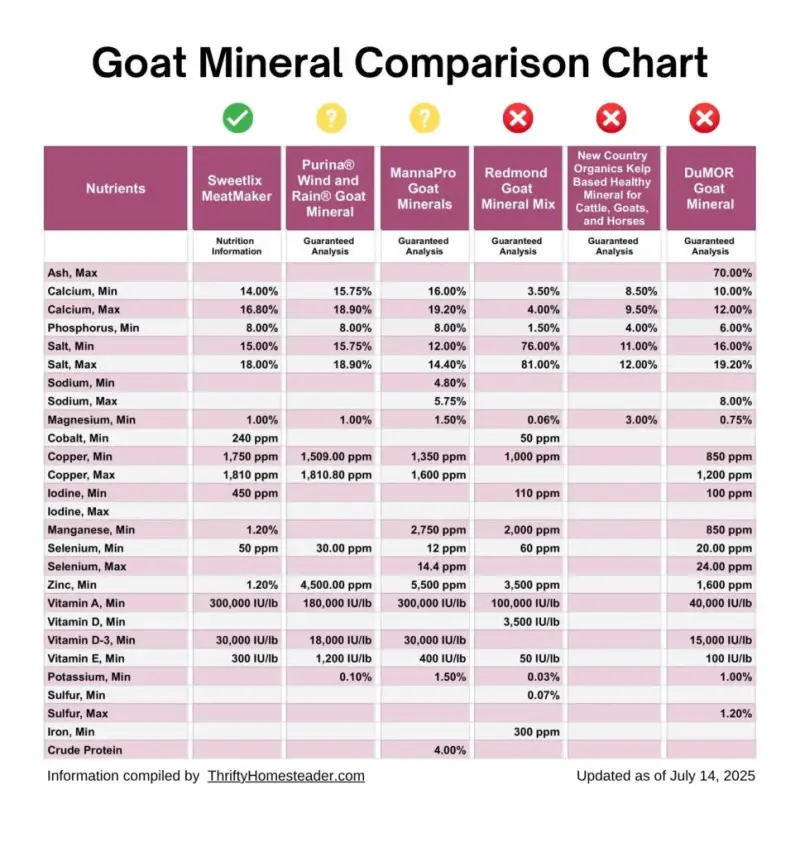
Loose Minerals
Providing loose minerals is critical for overall health and development. At Briar Hill Farm, we recommend:
- For Breeding Goats: Use sweetlix meat maker 16:8 loose minerals.
- For Pet Goats: Use Sweetlix Meat Maker or Milk Magnum loose minerals, as these are formulated specifically for pet goats rather than breeding stock.
Always make sure that fresh, free-choice minerals are available at all times to meet your baby goat's nutritional needs.
Mineral Buffet
Nigerian Goat Mineral Buffets: A Practical Guide to Healthier, Smarter Goats
Mineral deficiency is one of the most common hidden problems limiting goat productivity in Nigerian Dwarfs. Poor growth, weak immunity, infertility, dull coats, low milk yield, bone issues, and even strange behaviors like chewing wood or soil are often traced back to mineral imbalance—not disease.
One powerful, low-cost solution is the free-choice mineral buffet.
Instead of forcing one mixed mineral block on every goat (even though individual needs vary), a mineral buffet allows goats to self-select what their bodies require. Goats are remarkably good at this—when minerals are offered correctly.
Why Nigerian Goats Need Mineral Buffets
Nigerian soils vary widely but are commonly:
- Low in selenium, copper, zinc, iodine
- High in iron and manganese, which block absorption of other minerals
- Acidic in some regions, alkaline in others
Add stressors like:
- Heat
- Parasites
- Poor forage diversity
- Long dry seasons
…and mineral imbalance becomes inevitable unless addressed intentionally.
A mineral buffet:
- Prevents overdosing
- Corrects hidden deficiencies
- Improves fertility and kid survival
- Strengthens hooves, coats, and immune systems
Essential Minerals for Goats
Below are the key minerals goats require, grouped by function.
1. Macro Minerals (Needed in Larger Amounts)
- Calcium (Ca) – Bone strength, milk production
- Phosphorus (P) – Energy metabolism, fertility
- Magnesium (Mg) – Nerve function, prevents grass tetany
- Sodium (Na) – Fluid balance, appetite
- Chloride (Cl) – Digestion, stomach acid
- Potassium (K) – Muscle and heart function
- Sulfur (S) – Hair, hoof quality, rumen microbes
2. Trace Minerals (Small Amount, Big Impact)
- Copper (Cu) – Coat color, immunity, parasite resistance
- Zinc (Zn) – Hooves, skin, wound healing, fertility
- Selenium (Se) – Immunity, reproduction, muscle health
- Iodine (I) – Thyroid function, growth, kidding success
- Cobalt (Co) – Vitamin B₁₂ synthesis
- Iron (Fe) – Blood formation (usually abundant in Nigerian soils)
- Manganese (Mn) – Bone formation, reproduction
- Chromium (Cr) – Stress response, glucose metabolism
- Molybdenum (Mo) – Copper regulation (careful with this one)
Mineral Neutralizers (Critical but Often Ignored)
Neutralizers bind toxins, balance pH, and prevent mineral overload. They are essential in buffet systems.
- Baking Soda (Sodium Bicarbonate) – Buffers rumen acidity
- Dolomite Lime – Balances calcium and magnesium
- Agricultural Lime (Calcium Carbonate) – pH control
- Food-grade Diatomaceous Earth – Binds toxins and parasites
- Activated Charcoal – Absorbs toxins and excess minerals
- Bentonite Clay – Detoxification and mineral balance
- Zeolite – Heavy metal binding and ammonia control
The 21-Item Nigerian Goat Mineral Buffet (Individual Offerings) recommended by Briar Hill Farm
Each item should be offered separately, in covered containers, free-choice. Do not mix them.
- Boron
- Calcium
- Vitamins C&B
- Alkaline neutralizer (CL)
- Cobalt
- Copper
- Iron
- Iodine
- Potassium
- Magnesium
- Manganese
- Molybdenum
- Sodium
- Acid Neutralizer (OH)
- Phosphorus
- White salt
- Sulfur
- Selenium
- Silicon
- Vitamins A, D, E
- Zinc
Briar Hill Farm recommends "Little Avalon Farm" brand.
Grain
A high-quality goat feed‚ typically containing 12-18% protein‚ is recommended for adult Nigerian Dwarf goats. This feed should be designed specifically for goats‚ as it contains the right balance of nutrients for their needs. The amount of grain will vary depending on the goat's age‚ activity level‚ pregnancy‚ and lactation; For example‚ pregnant or lactating does will require more grain to support their increased energy and nutritional demands.
At Briar Hill Farm, we reccomend:
Newborn-Yearling (3 weeks up to a year): Dumor goat Grower
Yearling-Adult: Kalmach 16% organic goat pellet or Natures Best Organic Goat Pellet
Pregnant or in Milk Doe: Organic Pellet with Alfalfa Pellets
Balance Grain with Other Foods:
Grain is an affordable food source; there’s no doubt about it. And goats enjoy eating grain, so many owners want to find a way to mix cost-effective grain with other feed.
- Ideally, working goats will get more grain than other types of goats. If you’re raising goats as a pet or just to have on the homestead, for example, then you should avoid giving them grain because it will make them fat.
- Working goats burn many more calories than idle goats, so giving them grains isn’t as much of a concern. They’ll burn off the calories, and their stomachs should be fine as long as they get enough roughage in their diets.
- If you notice that one or more of your goats is losing weight, then you may want to supplement with grains to help them gain it back. When male goats compete with each other during the rut (breeding season), they can burn off a lot more calories and lose weight.
** Males and Whethers do NOT need grain - see next section for more info **
Can a male goat eat grain?
Goats can occasionally eat grain, but bucks shouldn’t eat grain because the added calcium can cause urinary stones that can be very painful or require medical procedures to resolve. At most, you should only feed your goat grain sparingly. Too much grain can make your goats gain excess weight, leading to other health problems. Goats typically will eat as much food as they can stomach, so you can’t expect your male goats to put on the brakes when they’re feeling full. Grain is also generally higher in phosphorous, which is the main ingredient in calcium stones.
What Happens If a Goat Gets Kidney Stones?
OK, so we know now that grains aren’t for male goats, and young male goats should avoid them at all costs. However, what happens if they do eat grain and develop kidney stones?
Here are some things to keep in mind:
- Watch for changes in urine: Is your goat not peeing as much or not at all?
Those are signs something is terribly wrong, and you should see a vet immediately. Also, if your goat is straining to urinate or making noises before they go to the bathroom, it’s an indication of urinary calculi (stones).
Watch out for excessive tail twitching as well. In addition, drops of blood in urine or crystals in the urine are symptoms of stones.
- Obsturctions are more serious:
If the urine gets through the urinary tract, it can be very painful for the goat, but at least it’s not a complete blockage yet.
No urine can pass when enough calcium builds up or a stone lodges in the tract. Then, you typically have around a day or so before the bladder ruptures.
- Medication vs Surgery:
How early you take your goat to the vet usually determines how serious the medical intervention will be. Early trips to the vet can save you a lot of money and stress because calcium build-ups due to eating too much grain and other issues are solved with medication.
If, however, you wait too long and your goat’s bladder ruptures, then the only thing that can save them is surgery. Even then, the odds that your goat will survive are low.
The bottom line is that you should call your vet anytime you see abnormal behavior or if you think your goat is in pain.
Feeding in the Winter
Winter brings challenges for Nigerian Dwarf goats‚ as their access to fresh pasture is often limited. Ensuring they have a consistent supply of high-quality hay‚ browse‚ and supplemental feeds is crucial to maintain their health and well-being during the colder months.
Hay
Hay becomes even more important in winter‚ as it provides essential fiber and nutrients when pasture is scarce. Continue to provide free-choice access to high-quality hay‚ such as alfalfa or a mix of alfalfa and grass hay. Ensure the hay is stored in a dry‚ well-ventilated area to prevent spoilage and mold growth.
Browse
While browse may be less readily available during winter‚ you can still offer some options. If you have access to evergreen trees or shrubs that are safe for goats‚ you can trim branches for them to browse. You can also supplement their diet with leafy greens‚ such as kale‚ spinach‚ or lettuce‚ which can be grown indoors during the winter.
Grain and Supplements
You may need to increase the amount of grain you provide during winter to meet their higher energy needs. A high-quality goat feed containing 12-18% protein is recommended. Mineral supplementation is also important‚ particularly for calcium‚ which is essential for bone health and milk production.
You can also provide vitamin supplements to boost their immune system and help them stay healthy during the winter months. Always consult with a veterinarian or experienced goat breeder to determine the appropriate supplements for your goats.
Water
It's important to ensure your goats have access to fresh‚ clean water‚ especially during winter. Water can freeze in cold weather‚ so you may need to use heated water bowls or change the water frequently to prevent it from freezing.
By providing a consistent supply of high-quality hay‚ browse‚ grain‚ supplements‚ and fresh water‚ you can ensure that your Nigerian Dwarf goats remain healthy and well-nourished throughout the winter months.
Common Diseases
Raising healthy Nigerian Dwarf goats requires more than good feed and shelter. Understanding common diseases, how they spread, and how to prevent them is essential for responsible herd management.
Below is a practical overview of several major diseases goat owners should understand: CL, Johne’s disease, CAE, coccidiosis, bottle jaw, and foot-and-mouth disease.
Caseous Lymphadenitis (CL)
Caseous Lymphadenitis is a chronic bacterial disease caused by Corynebacterium pseudotuberculosis. It primarily affects lymph nodes.
How It Spreads:
- Ruptured abscesses contaminating the environment
- Shared fencing or feeders
- Equipment contamination
- Introducing infected animals
Signs:
- Abscesses near lymph nodes (neck, shoulder, jaw, udder area)
- Thick, toothpaste-like pus
- Occasionally internal abscesses (weight loss, decline without visible lumps)
Management:
- Purchase only from tested, reputable herds
- Do not lance abscesses without proper biosecurity
- Isolate affected animals immediately
- Maintain strict sanitation
CL can live in soil for months, making prevention and testing critical.
Johne’s Disease
Johne’s disease is a chronic, progressive bacterial disease caused by Mycobacterium avium subspecies paratuberculosis (MAP). It primarily affects the intestines.
How It Spreads:
- Fecal contamination
- Contaminated milk
- Infected soil or pasture
- Exposure as young kids
Signs:
- Gradual weight loss despite normal appetite
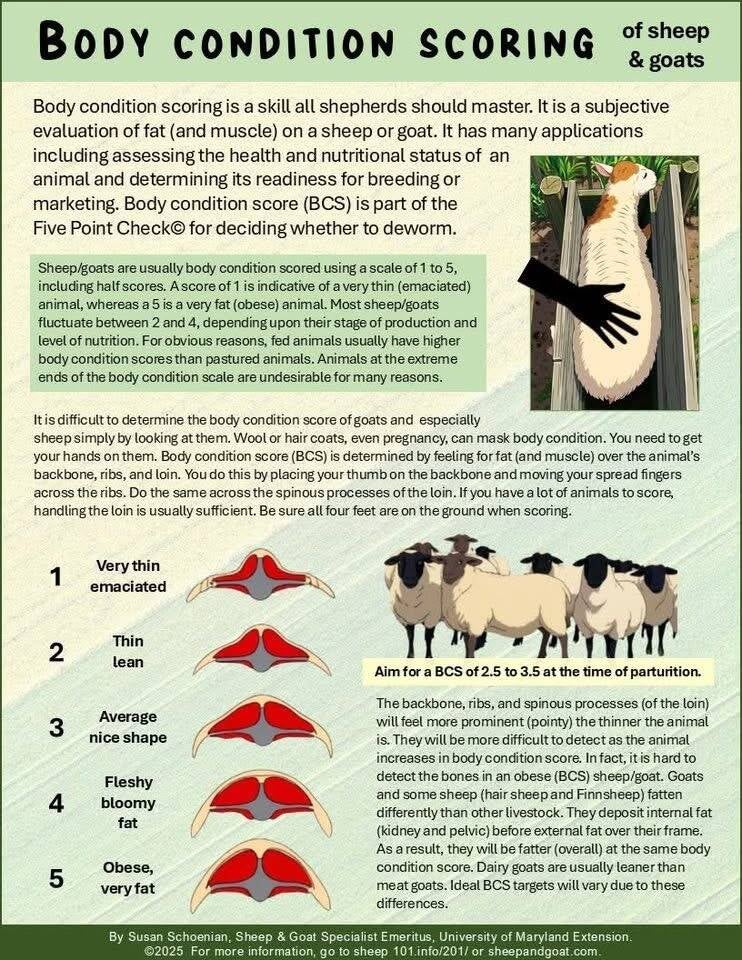
- Poor body condition
- Chronic diarrhea (less common in goats than cattle)
- Reduced milk production
Johne’s has a long incubation period. Goats may not show symptoms for years.
Management:
- Purchase from herds that test for Johne’s
- Avoid pooling colostrum unless tested
- Maintain clean kidding areas
- Prevent manure contamination of feed and water
There is no cure. Prevention and biosecurity are essential.
Caprine Arthritis Encephalitis (CAE)
CAE is a viral disease caused by a lentivirus that weakens the immune system and affects joints, brain, and mammary tissue.
How It Spreads:
- Colostrum and milk
- Blood transfer
- Close contact
Forms and Signs:
Arthritic form (most common):
- Swollen joints
- Stiffness
- Lameness
Neurological form (kids):
- Weakness
- Paralysis
- Incoordination
Management:
- Test breeding stock
- Practice kid separation and heat-treated colostrum if maintaining CAE-negative status
- Avoid sharing needles
There is no cure. Many goats can live long lives with management, but prevention is best.
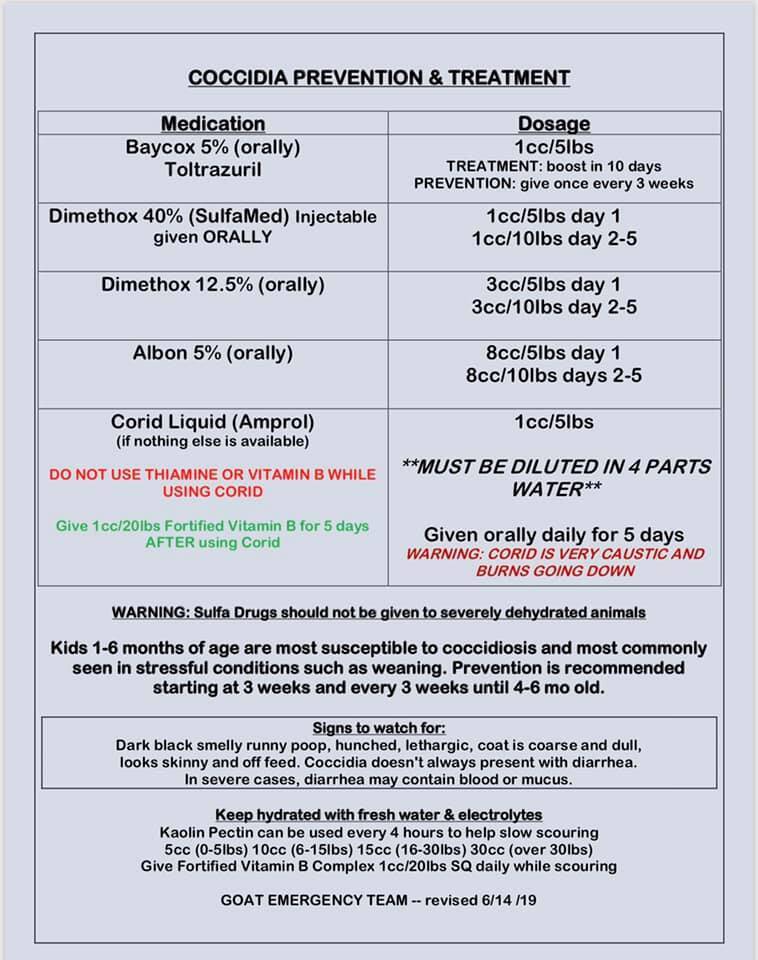
Coccidiosis
Coccidiosis is a parasitic disease caused by protozoa (Eimeria species). It is extremely common in young goats and often management-related.
How It Spreads:
- Fecal contamination
- Crowding
- Wet, dirty environments
- Stress
Signs:
- Diarrhea (may be dark or foul-smelling)
- Poor growth
- Rough hair coat
- Weakness
- Dehydration
Prevention:
- Keep kid areas clean and dry
- Avoid overcrowding
- Provide clean water and feeders
- Reduce stress during weaning
Treatment typically involves sulfa-based medications or other anticoccidials prescribed by a veterinarian.
Early treatment is important to prevent long-term intestinal damage.
Bottle Jaw
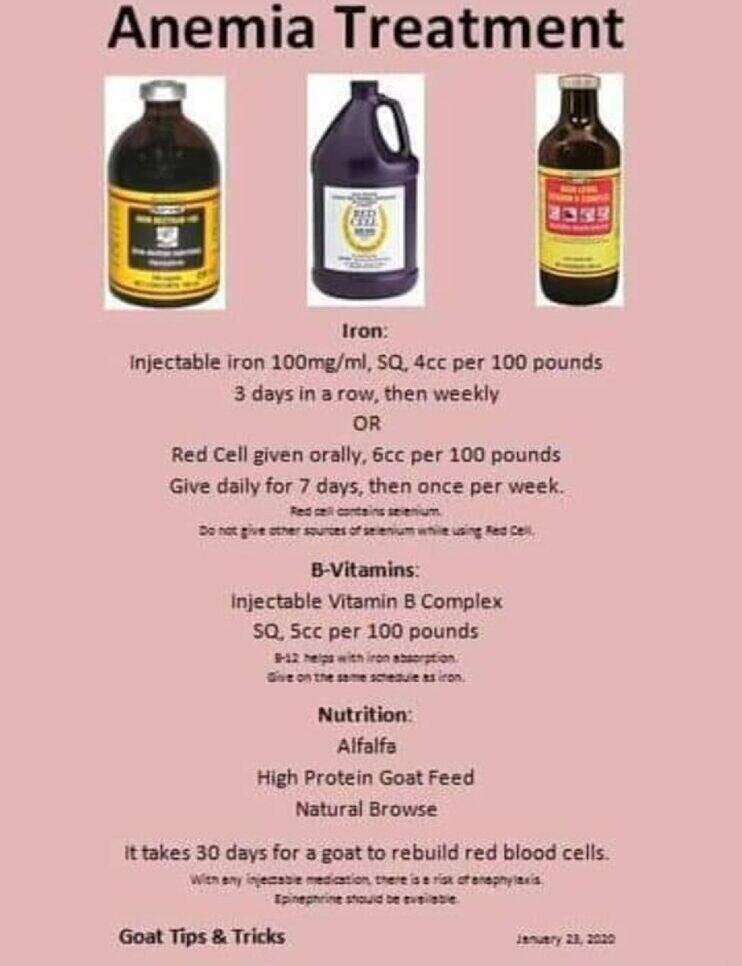
Bottle jaw is not a disease itself but a symptom. It refers to swelling under the jaw caused by severe anemia.
Most commonly caused by:
- Barber pole worm (Haemonchus contortus)
- Heavy internal parasite load
- Severe protein deficiency
Signs:
- Soft swelling under the jaw
- Pale eyelids (check using FAMACHA method)
- Weakness
- Weight loss
Bottle jaw indicates advanced anemia and requires immediate attention.
Management:
- Perform regular FAMACHA checks
- Conduct fecal testing when possible
- Implement rotational grazing or dry lotting
- Use targeted deworming rather than routine blanket dosing
Addressing the underlying parasite burden is critical.
Foot-and-Mouth Disease (FMD)
Foot-and-mouth disease is a highly contagious viral disease affecting cloven-hoofed animals. It is rare in the United States but is considered a serious reportable disease.
How It Spreads:
- Direct animal contact
- Contaminated equipment
- Airborne spread in severe outbreaks
Signs:
- Blisters in mouth
- Blisters on hooves
- Drooling
- Lameness
- Fever
FMD spreads rapidly and requires immediate veterinary and regulatory reporting.
It is important not to confuse FMD with “sore mouth” (Orf), which is much more common in goats.
Biosecurity Principles for Small Herds
Strong biosecurity is the foundation of disease prevention.
Best Practices:
- Test new animals before introducing them
- Quarantine new arrivals for at least 30 days
- Do not share equipment with other farms
- Avoid nose-to-nose contact at shows
- Maintain clean kidding and feeding areas
Buying from reputable, transparent breeders who test their herds significantly reduces risk.
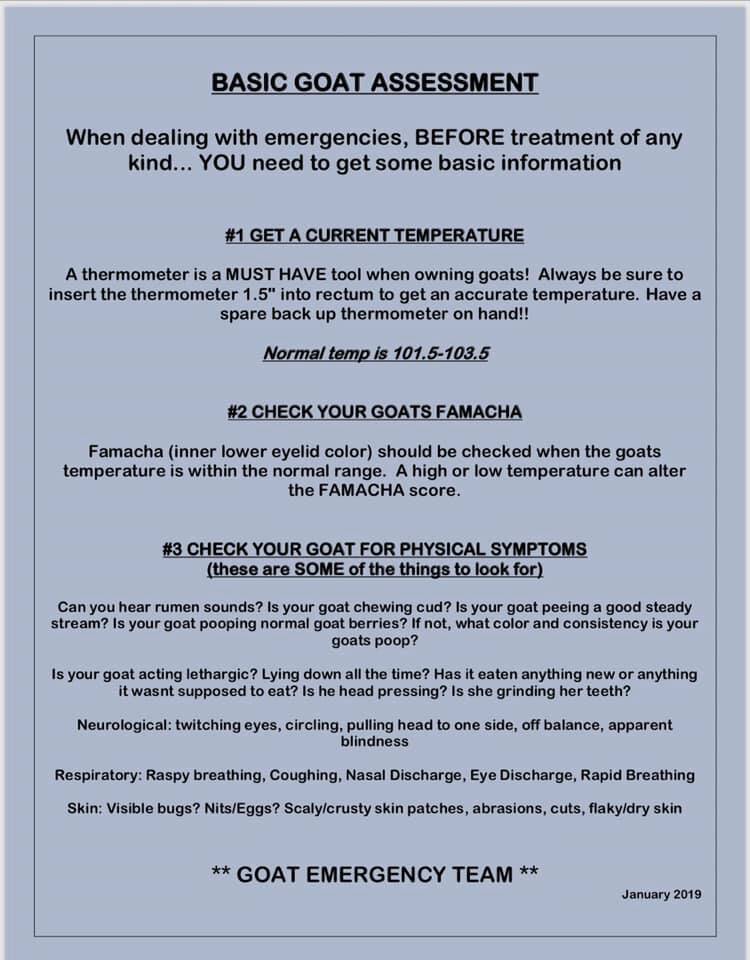
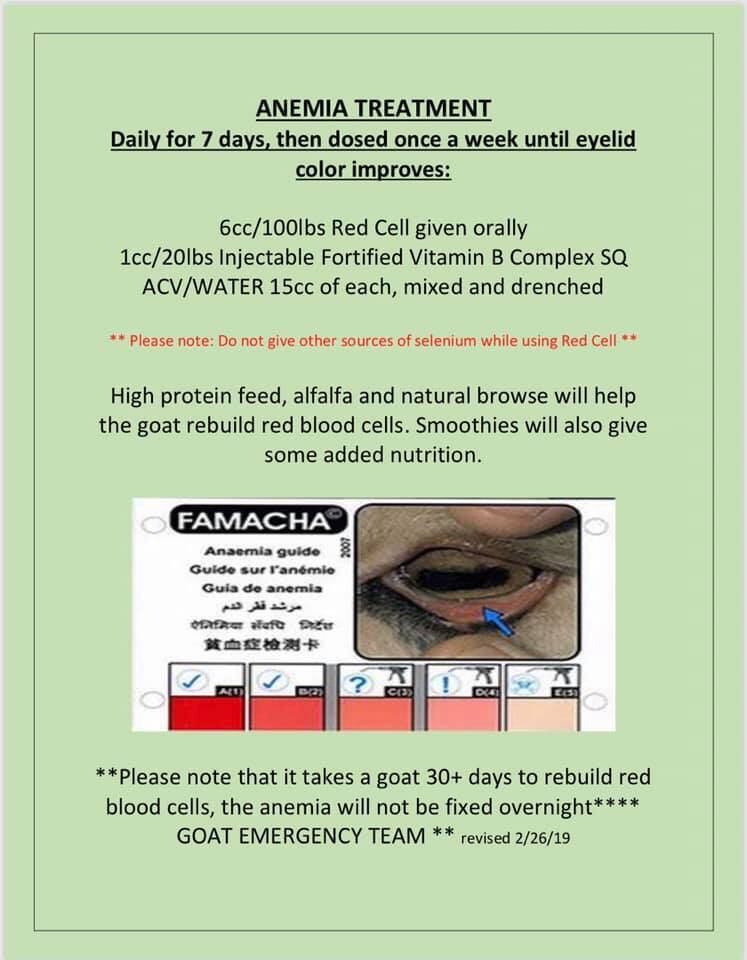
Checking FAMACHA
A Practical Tool for Parasite Management in Goats
The FAMACHA system is a diagnostic tool designed to help small ruminant producers identify animals that require anthelmintic (dewormer) treatment and those that do not. Originally developed in South Africa, the system was later introduced to the United States by the American Consortium for Small Ruminant Parasite Control (ACSRPC).
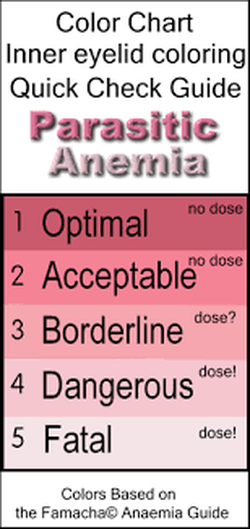
FAMACHA utilizes an eyelid color scorecard, which compares the color of the animal’s mucous membranes to a laminated chart displaying five distinct color categories. Each category corresponds to a different level of anemia. Because anemia is the primary clinical sign of barber pole worm (Haemonchus contortus) infection, the FAMACHA system serves as an effective indicator of parasite burden.
The barber pole worm is the most economically significant internal parasite affecting pasture-based small ruminant production. It feeds on blood, causing progressive anemia and, in severe cases, death. By identifying only those animals that truly require treatment, the FAMACHA system supports selective deworming, reduces unnecessary use of anthelmintics, and helps slow the development of drug-resistant parasite populations.
Here is a helpful video to help show how to check FAMACHA:
https://youtu.be/KTNKMMsBTHU?si=2P6ZhRKvozKVXOwc
Deworming
Small Ruminant Parasitology Fecal Egg Count:
Meadow Mist Lab Service
The standard centrifugul force fecal flotation test is our primary test. All testing supplies are disposable to ensure that no cross contamination can occur. Because of this we do not offer a modified McMaster technique.
A commercial sodium nitrate solution is used as the flotation medium. Post centrifugation, the samples have more medium added and a 22 x 22 mm coverslip applied. After 10 minutes, the cover slips are removed and applied to a slide as a wet mount. The entire cover slip is examined and counted. The results are reported in eggs per gram. No additional mathematical computation is required. Any of the following parasites (and occasionally some less common parasites) may be identified with the standard fecal flotation test and will be included in your report:
- Haemonchus contortus (Barberpole worm)
- Ostertagia ostertagi (Brown stomach worm)
- Trichostrongylus axei (Bankrupt worm)
- Bunostomom spp (Hookworm)
- Trichuris ovis (Whipworm)
- Nematodirus (Thin-necked worm)
- Moneizia expansa (Tapeworm)
- Strongyloides papillosus (Thread worm)
- Cooperia spp (small intestinal roundworm)
- Capillaria (Hairworm)
- Dictyocaulus viviparus, Muellerius capillaris, and occasionally Protostrongylus sp. (Lungworm)
- Eimeria (Coccidia)
Sample requirements: Please include ~10 pellets per goat/sheep or 5 per camelid in a ziplock type bag labeled with animal's name.
Services | meadowmistlabservice.com
When and How to Deworm Your Goats
One of the biggest threats to your herd’s health and growth is worms. Internal parasites like stomach worms, tapeworms, and liver flukes can silently weaken your goats, reduce weight gain, lower milk production, and even cause death if not controlled.
This is why deworming should be an essential part of your goat management plan. In this guide, we’ll explain when to deworm goats, how to do it correctly, and common mistakes every farmer must avoid.
Why Deworming is Important for Goats
Goats are natural browsers, which means they eat leaves, shrubs, and grasses close to the soil—where parasite eggs often live. Without proper deworming, your goats can suffer from:
- Weight loss or poor growth
- Diarrhea and dehydration
- Pale eyelids (sign of anemia)
- Rough hair coat
- Weak immunity and higher disease risk
Healthy goats = higher productivity, which is why regular deworming is non-negotiable.
When to Deworm Your Goats
There is no one-size-fits-all timing, but farmers should deworm based on symptoms, age, and season:
- Kids (young goats): Every 4–6 weeks until they are about 6 months old, as they are more vulnerable.
- Adult goats: Every 3–4 months, or at the beginning and end of rainy season when worm load is high.
- Pregnant and lactating does: Deworm 2–4 weeks before kidding to prevent passing worms to kids.
Based on symptoms: If you notice weight loss, diarrhea, or pale eyelids, deworm immediately.
Tip: Use the FAMACHA method (checking eyelid color) to detect anemia caused by worms.
How to Deworm Your Goats Correctly
To ensure your deworming program works effectively:
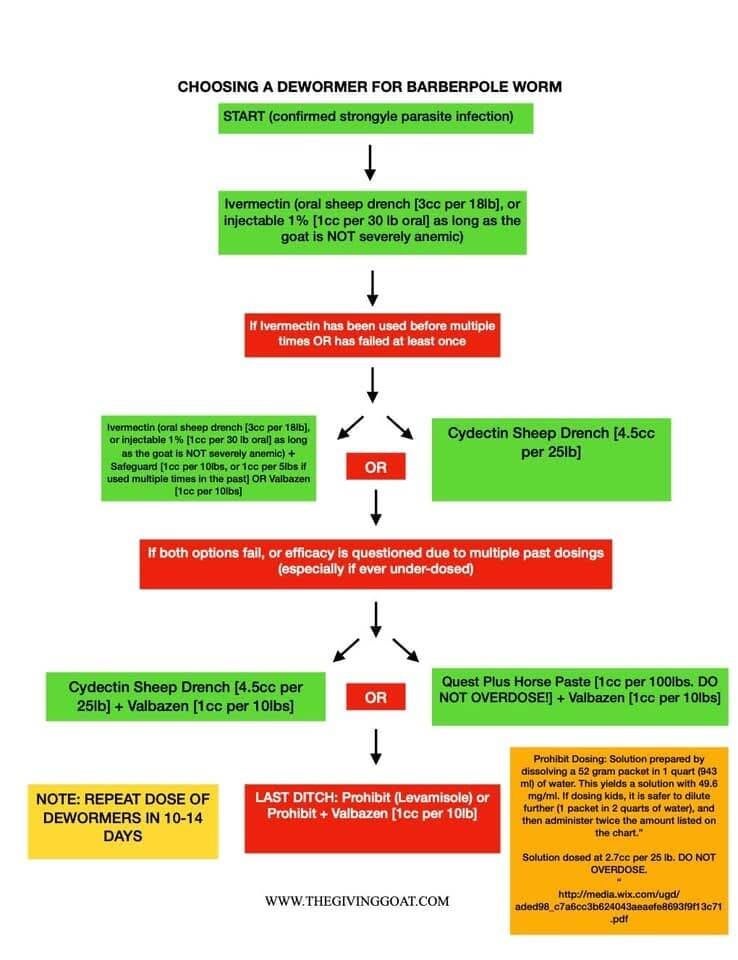
FIRST preform a fecal egg count THEN choose the right dewormer:
Common options include albendazole, ivermectin, levamisole, and fenbendazole. Rotate dewormers to prevent resistance.
Correct dosage: Always dose according to weight. Underdosing encourages resistance while overdosing can be harmful.
Proper administration: Use oral drenches or injections as prescribed. Avoid mixing drugs without a vet’s advice.
Maintain hygiene: Keep pens clean and avoid overgrazing, as dirty environments increase worm infestations.
Common Deworming Mistakes to Avoid
- Not running a fecal to know which worms to target
- Deworming too often, which causes drug resistance
- Using the same drug repeatedly
- Not weighing goats before dosing
- Ignoring pasture rotation and hygiene
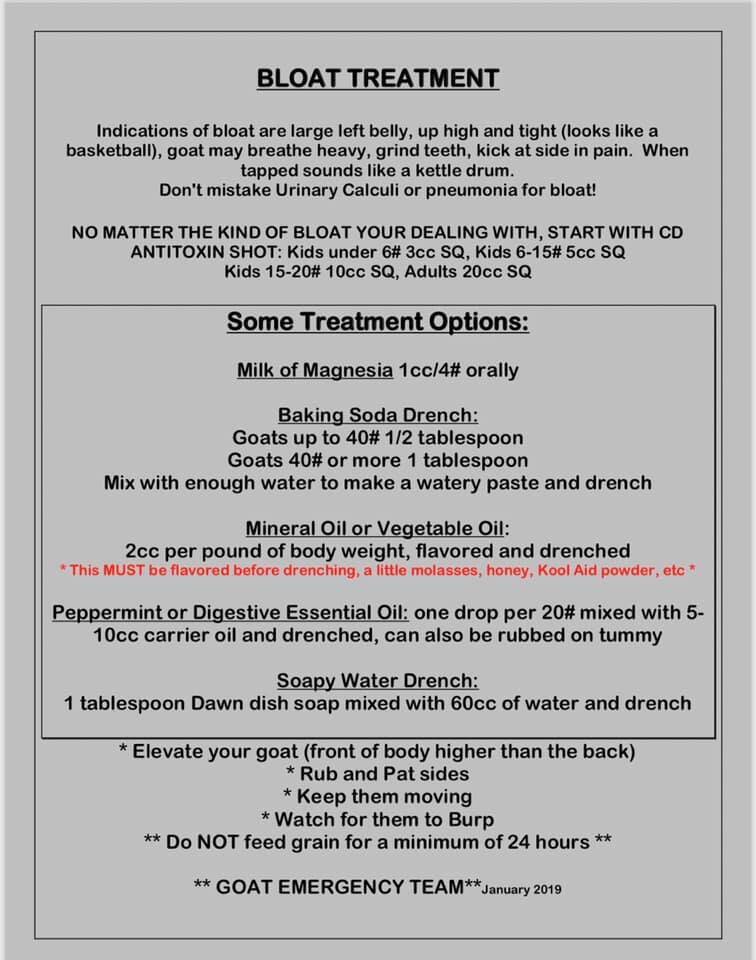
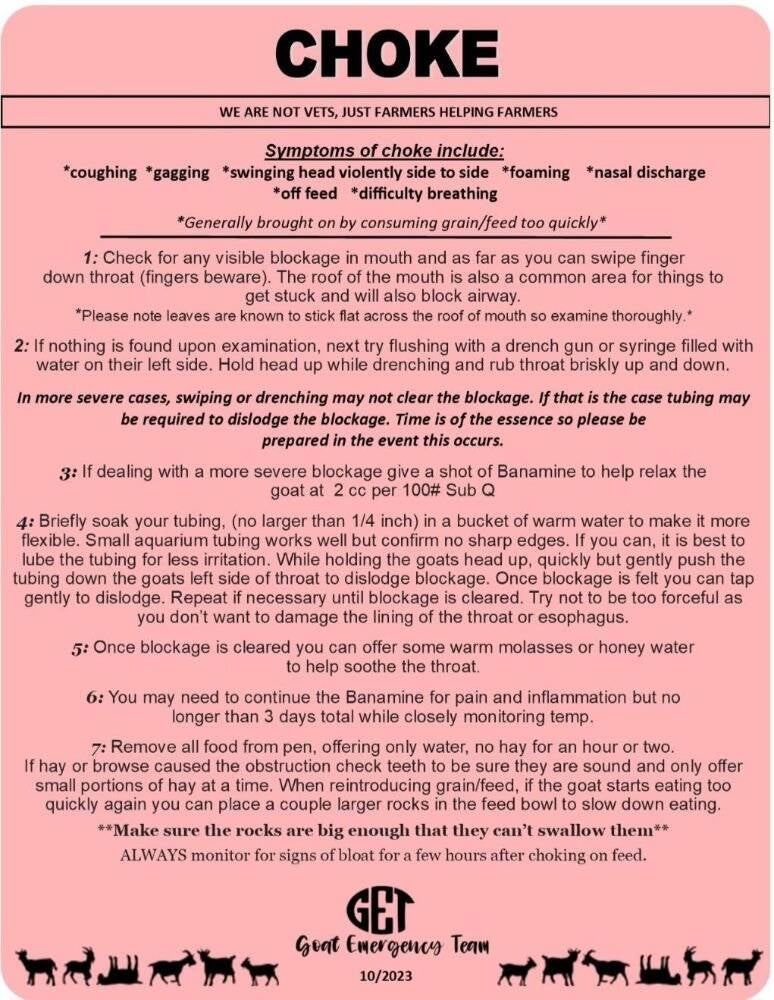
Bloat
1. What bloat actually is
Bloat is abnormal gas accumulation in the rumen that the goat cannot expel by normal belching (eructation). Pressure builds, compressing the lungs and heart. Severe cases can kill a goat in hours.
Nigerian Dwarfs are higher risk because:
- Smaller rumen capacity
- Faster overconsumption relative to size
- Bottle babies often have delayed rumen development
- Owners tend to overfeed “just a little”
2. Types of bloat (this matters for treatment)
A. Free gas bloat
Gas builds up as a single large pocket.
Common causes:
- Sudden diet changes
- Grain overload
- Cold milk fed to kids
- Weak rumen motility
- Kid drank milk while chilled
Key feature:
Gas can usually be relieved if the rumen starts moving again
B. Frothy bloat (more dangerous)
Gas is trapped in stable foam and cannot escape.
Common causes:
- Overeating lush pasture (clover, alfalfa, young grass)
- Too much finely ground feed
- Sudden access to rich hay or grain
- Imbalanced rumen microbes
Key feature:
Burping does not work
Requires anti-foaming action
3. Why Nigerian Dwarfs bloat more easily
- They eat too much too fast
- Owners often feed standard-goat portions
- Bottle babies lack fully developed rumen microbes
- Tiny errors (cold milk, skipped water, sudden grain) have outsized effects
A mistake that a standard goat might survive can seriously affect a Nigerian Dwarf.
4. Early warning signs (do not wait past these)
Mild to early bloat
- Left side slightly firm or rounded
- Decreased interest in food
- Standing hunched or stretching
- Grinding teeth
- Reduced rumination (less cud chewing)
Moderate bloat
- Noticeable swelling on the left flank
- Tight, drum-like feel
- Restlessness, lying down and getting up
- Vocalizing
- Faster breathing
Severe bloat (emergency)
- Extreme left-side distension
- Difficulty breathing
- Tongue protruding
- Collapse
- Inability to stand
At this stage, death can occur quickly.
5. How to check for bloat correctly
- Stand behind the goat
- Look at the left side only
- Press your fingers into the flank behind the ribs
- Normal: soft, doughy
Bloat: tight, resistant, balloon-like
Right-side swelling usually indicates something else.
6. Immediate response: what to do step by step
Step 1: Remove all feed
Do this immediately. No hay, no grain, no milk.
Step 2: Encourage movement
Walking helps stimulate rumen contractions.
Do not force running or stress the goat.
Step 3: Massage the rumen
Firm circular massage on the left flank.
This helps break gas bubbles and stimulate motility.
Step 4: Administer baking soda (mild cases)
Dose: 1–2 teaspoons mixed with water
- Use a syringe if needed
- This buffers rumen acidity and may restart rumen movement
Do not repeat excessively.
Step 5: Anti-foaming agent (frothy bloat)
Use one of the following:
- Simethicone (infant gas drops)
- Vegetable oil
- Mineral oil
These break down foam so gas can escape.
Step 6: Observe closely
Improvement should occur within 30–60 minutes.
If the goat worsens or does not improve, escalate care.
7. When veterinary intervention is needed
Call a veterinarian immediately if:
- Breathing is labored
- Distension is rapidly increasing
- Goat is collapsing or unable to stand
- No response to basic treatment
- This is a recurring issue
Veterinary options may include:
- Stomach tubing
- Prescription motility drugs
- Trocarization (last-resort emergency decompression)
8. Bloat in bottle-fed Nigerian Dwarf kids
Common causes:
- Overfeeding
- Cold milk
- Inconsistent feeding times
- Feeding when the kid is chilled
- Poor nipple flow causing air intake
Prevention rules:
- Milk must be body temperature
- Feed on a strict schedule
- Correct bottle position (head level or slightly elevated)
- Never feed a cold kid
- Measure every feeding
9. Bloat related to grain and hay
Grain mistakes
- Introducing grain too early
- Feeding cracked or finely ground grain
- Sudden increases
- Feeding grain before hay
Hay mistakes
- Sudden access to alfalfa
- Wet or moldy hay
- No access to water
Rule: Hay and water first. Grain second. Always.
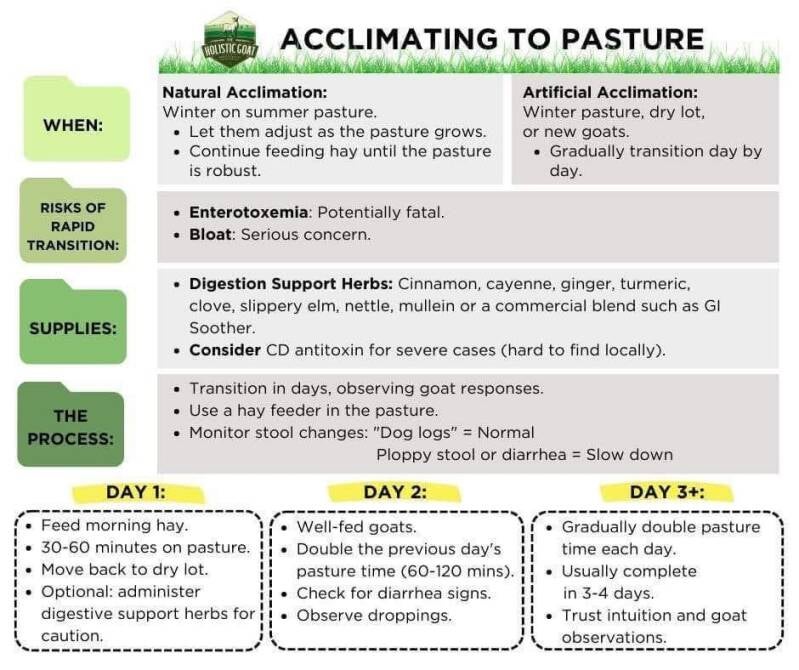
10. Pasture-related bloat
High-risk conditions:
- Wet morning pasture
- Clover-heavy fields
- Rapid spring growth
- Hungry goats turned out suddenly
Prevention:
- Feed hay before turnout
- Limit grazing time
- Avoid turnout when pasture is wet
- Introduce pasture gradually
11. Prevention checklist (most important section)
- Consistent feeding schedule
- No sudden diet changes
- Always provide clean water
- Free-choice baking soda
- Proper portion sizes for Nigerian Dwarfs
- Gradual grain increases
- Warm milk only
- Never feed chilled goats
- Monitor left flank daily
- Do not overfeed because they act hungry
12. Long-term management for bloat-prone goats
- Feed smaller, more frequent meals
- Avoid lush forage entirely if needed
- Keep probiotics on hand
- Track patterns (weather, feed changes, timing)
- Some goats are genetically more sensitive
Early action saves goats. Waiting kills them.
Goat Hoof Care Guide
Trimming goat hooves is an essential part of overall herd health, though it needn't be complicated or stressful. Unlike their wild counterparts who naturally wear down their hooves traversing rocky terrain, domesticated goats often need our assistance to maintain proper hoof health. Regular use of quality goat hoof trimmers prevents overgrowth that can lead to discomfort, altered gait, and potential infection.
When and Why to Use Goat Hoof Trimmers
Goat hooves grow continuously throughout their lives, similar to our own fingernails. The rate of growth varies based on several factors: diet, mineral balance, environment, and individual genetics. Goats on soft, clay-like pastures typically need more frequent trimming than those with access to rocky areas where natural wear occurs.
Rather than adhering to a rigid schedule, it's better to observe your goats and learn their individual patterns. For most herds, checking for overgrown goat hooves every few weeks provides a good baseline, but you'll soon recognize what works best for your specific animals.
Best Goat Hoof Trimmers and Tools
The foundation of effective hoof care begins with selecting the right goat foot trimmers. While there are many options available, simplicity often works best.
Hoof Trimmers for Different Goat Sizes
For Nigerian Dwarf goats and other smaller breeds, standard hoof trimmers may feel awkward and oversized. Spring-loaded straight blade pruning shears work exceptionally well as goat hoof trimming tools while reducing hand strain during extended trimming sessions.
For larger breeds, traditional goat hoof trimmers can be effective, though many goat owners still prefer the maneuverability of pruning shears. Electric trimmers exist but are generally unnecessary for most home herds.
Minimal but Essential Hoof Trimming Equipment
A basic kit for trimming goat hooves might include:
- Quality hoof trimmers for goats or pruning shears
- A small rasp for smoothing rough edges
- Natural styptic powder like cornstarch (in case of accidental cuts)
There's no need for specialized disinfectants in most cases. A clean environment and proper hoof trimming techniques typically prevent infection more effectively than commercial treatments.
How to Trim Goats Hooves: A Gentle Approach
Goats have excellent memories, and a stressful experience can create resistance in future sessions. Creating positive associations makes trimming goat hooves easier for everyone involved.
Preparing Before You Cut Goat Hooves
If possible, handle your goats' feet regularly from a young age so they become comfortable with the sensation. A milk stand keeps the goat secure and provides a comfortable working height, while treats create positive associations.
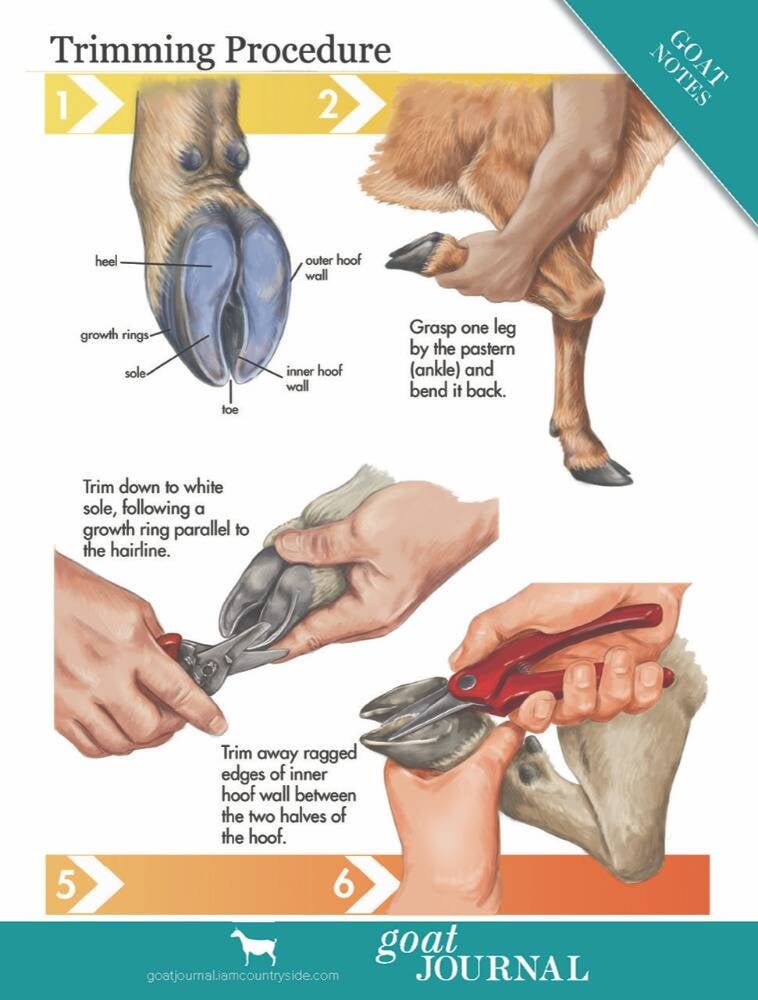
Step-by-Step Guide for How to Trim Goat Hooves
- Begin by observing the natural shape and any areas of overgrowth
- Clean away dirt with a brush to better see the hoof structure
- Use your goat hoof trimmer to cut small amounts at a time, following the natural angle
- Look for the white line (junction between hoof wall and sole) as your guide
- Trim the wall until it's flush with the sole, creating a flat surface
- Never trim so deep that you reach pink tissue or cause bleeding
The goal isn't perfection in one session but gradual improvement over time. As several experienced goat folks emphasize, "little and often" yields better results than aggressive cutting that risks making the goat sore.
Addressing Overgrown Goat Hooves and Common Issues
White Line Separation and "Shelly Foot"
When dirt and debris pack between the hoof wall and sole, it can create pockets that harbor bacteria and lead to separation. This condition requires careful management:
- Gently trim the outer wall in a crescent shape to remove the pocket
- Clean out packed debris without cutting into sensitive tissue
- Keep the area as dry as possible during healing
- Consider a diluted apple cider vinegar solution (50/50 with water) for cleaning
For stubborn cases, some owners use natural remedies like a paste of soy wax and copper sulfate to address bacterial growth or Vetericyn Hoof Care, though a clean, dry environment is often the most effective treatment for trimmed goat hooves.
Recognizing and Treating Hoof Rot
Hoof rot presents a more serious challenge than routine trimming issues. This bacterial infection thrives in moist conditions and can cause significant discomfort, lameness, and a characteristic foul odor. While conventional treatment often involves harsh chemicals, many holistic goat owners find success with gentler, natural approaches.
Signs of hoof rot may include:
- Foul-smelling odor from the hoof
- Soft, decaying tissue between the claws or along the hoof wall
- Lameness or reluctance to bear weight on the affected foot
- Heat or swelling around the hoof area
- Visible separation of hoof wall from underlying tissue
When addressing hoof rot, persistence is key as the condition rarely resolves quickly. Successful natural treatment approaches from experienced goat owners include:
- Thorough cleaning and trimming: Remove all affected tissue, carefully trimming away dead material until healthy tissue is reached. A callous shaver designed for humans can help with precise removal of affected areas.
- Coconut oil with tea tree oil: This natural antifungal and antibacterial combination has helped many goats recover within three weeks of consistent application. Apply morning and evening while keeping the goat in a clean, dry environment.
- Nu-Stock ointment: This sulfur-based salve has proven effective for persistent cases. Apply it to affected areas after trimming away diseased tissue, allow it to soak in, then gently scrape away any resulting scabs to reach raw tissue underneath. Follow with a chlorhexidine wash for enhanced results.
- Hoof n' Heel solution: Many goat owners report dramatic improvement with this solution, especially for rescue goats with severe cases. Daily application morning and evening, coupled with keeping the goat in dry conditions, can resolve even stubborn infections.
For cases that don't respond to topical treatments, some goat owners find that the root cause may actually be specific mites rather than just bacterial infection. In these persistent situations, a veterinarian might recommend injectable ivermectin treatments, though this represents a more interventional approach than many holistic herds typically employ.
Whatever treatment route you choose, providing a clean, dry environment during recovery dramatically improves outcomes and prevents spread to other herd members.
Mites: An Often Overlooked Cause of Hoof Problems
What appears to be hoof rot sometimes actually stems from mite infestations, particularly during winter and spring months. Mites can cause significant irritation and discomfort, leading to secondary infections that mimic hoof rot. When conventional treatments for hoof rot fail, considering mites as a possible cause may lead to more effective solutions.
Signs that mites might be causing hoof issues include:
- Persistent stomping or chewing at feet
- Patchy hair loss around the lower legs
- Scaling of skin above the hooves
- Scabbing that doesn't respond to typical hoof rot treatments
- Multiple failed treatment attempts for suspected hoof rot
Since mites aren't visible to the naked eye, diagnosis typically requires veterinary microscopic examination of skin scrapings. However, natural treatments for mites are generally low-risk and can be tried when symptoms suggest their presence.
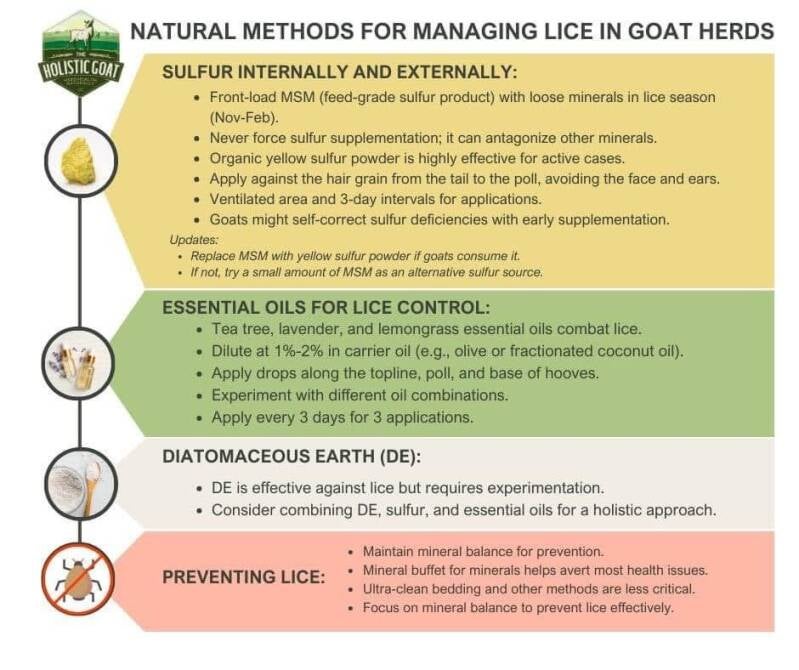
Natural Treatments for Hoof Mites
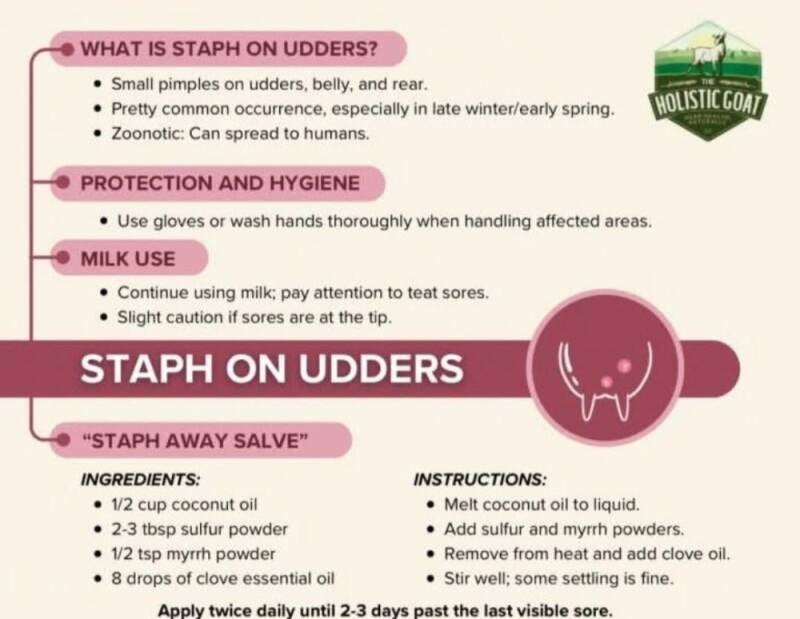
- Sulfur preparations: Sulfur provides excellent results for many skin conditions including mite infestations. A simple homemade remedy combines 2-3 tablespoons organic yellow sulfur powder with 1/2 cup melted coconut oil. After cooling, apply this liberally to affected areas twice daily for several days, followed by a rest period and then another treatment course if needed.
- Essential oil dilutions: Tea tree, lavender, and lemongrass oils diluted properly in a carrier oil can effectively combat mites. For safe application, dilute at 1-2% concentration (approximately 10-20 drops per ounce of carrier oil such as olive oil or fractionated coconut oil). Apply to affected areas once or twice daily.
- Herbal additions: Consider adding myrrh gum powder to sulfur formulations for enhanced effectiveness. Clove (in powder or essential oil form, properly diluted) can also provide additional support in fighting mites.
For persistent cases that don't respond to topical treatments, some goat owners find that injectable ivermectin (administered under veterinary guidance) resolves stubborn mite infestations when other methods fail. However, this represents a more interventional approach than many holistic herds typically employ as a first line of treatment.
Prevention Through Environment and Nutrition
Supporting Strong Hoof Development
Free choice loose minerals allow goats to self-select the nutrients they need for optimal hoof development. A mineral buffet system gives goats the ability to address specific mineral needs, often resulting in stronger hooves that require less frequent trimming. Zinc and copper play crucial roles in hoof integrity.
Some notice that high grain consumption promotes faster hoof growth, requiring more frequent use of goat hoof clippers. Adjusting grain levels may help manage rapid growth in problem cases.
Environmental Considerations for Hoof Health
Hooves thrive in dry conditions. Wet, muddy areas create perfect environments for bacterial growth and can soften hooves, making them prone to deformation. Consider:
- Creating raised, dry areas near feeding stations and water troughs
- Using concrete blocks or wooden platforms in frequently used areas
- Providing rocky surfaces where goats can naturally wear their hooves
- Using your goat trimmers after rain when hooves are naturally softer
Pasture Management
Proper pasture management is one of the most important components of raising healthy, productive Nigerian Dwarf goats. While goats are hardy and adaptable, poor grazing practices can quickly lead to parasite overload, soil degradation, and long-term health problems.
This guide outlines best practices for maintaining safe, sustainable pasture for Nigerian Dwarfs, as well as dry lot management when rotational grazing is not feasible.
Understanding How Nigerian Dwarfs Graze
Nigerian Dwarfs are browsers rather than true grazers. Unlike cattle or sheep that prefer short grass, goats naturally prefer:
- Shrubs and woody plants
- Weeds and broadleaf plants
- Leaves from small trees and brush
- Mixed forage rather than uniform grass
When goats are forced to graze very short grass repeatedly, parasite exposure increases and pasture quality declines. Managing forage height and diversity is key to long-term herd health.
Parasite Management and Grazing Height
Internal parasites are the most common pasture-related challenge in goats.
Most parasite larvae live within the bottom 2–3 inches of grass. When goats graze too close to the ground, they ingest higher numbers of larvae.
The 4–6 Inch Rule
- Do not allow goats to graze below 4 inches
- Remove goats from pasture before it becomes short or sparse
- Avoid forcing goats to repeatedly graze the same area
Signs of Overgrazing
- Grass consistently cropped very short
- Bare dirt patches developing
- Goats concentrating on limited forage
- Increased need for deworming
Strategic grazing reduces parasite exposure and supports natural immunity.
Rotational Grazing
Rotational grazing is one of the most effective ways to manage parasites and preserve pasture health.
How It Works
Divide pasture into multiple paddocks (2–6 sections is common).
Move goats every 5–10 days depending on forage growth.
Allow each paddock to rest 30–60 days before grazing again.
Rest periods allow:
- Forage to regrow
- Sunlight and drying to reduce parasite larvae survival
- Soil to recover from hoof traffic
In warm, humid climates, longer rest periods are often necessary due to higher parasite pressure.
When Rotational Grazing Is Not Possible: Dry Lot Management
Not all properties allow for effective rotation. Smaller acreage, heavy parasite pressure, or seasonal limitations may make rotational grazing difficult. In these cases, dry lotting can be a very effective management strategy.
What Is a Dry Lot?
A dry lot is a designated enclosure with minimal or no vegetation where goats are housed and fed hay rather than grazing pasture.
Why Dry Lotting Can Be Beneficial
- Significantly reduces parasite ingestion
- Prevents pasture destruction on small acreage
- Allows precise control of nutrition
- Protects land during muddy or high-risk seasons
- Reduces overgrazing and soil erosion
Because goats are not grazing near the ground, they are exposed to far fewer parasite larvae. This can dramatically reduce the need for deworming when managed correctly.
How to Set Up a Dry Lot
- Choose a well-drained area
- Use stone, screenings, or packed soil to reduce mud
- Provide adequate space to prevent overcrowding
- Install proper fencing (woven wire or electric appropriate for goats)
- Provide constant access to fresh water
- Offer high-quality hay free choice
- Supply loose goat mineral at all times
Managing Cleanliness
- Remove manure regularly
- Use bedding in shelter areas
- Avoid constant wet conditions
- Rotate high-traffic feeding areas if possible
Dry lotting requires active management but can be an excellent option for small farms or high-density herds.
Ideal Forage for Nigerian Dwarfs
A diverse pasture supports better nutrition and browsing behavior.
Beneficial forage species include:
- Orchardgrass
- Timothy
- Endophyte-free fescue
- White clover
- Red clover
- Chicory
- Plantain
- Blackberry bramble
- Multiflora rose
Goats often thrive on mixed pastures that include brush and broadleaf plants rather than uniform grass lawns.
Soil Health and Reseeding
Healthy soil produces resilient forage.
Recommended practices:
- Conduct soil testing every 1–2 years
- Apply lime if pH is low
- Overseed thin areas in early spring or fall
- Avoid excessive nitrogen fertilization
Balanced soil supports better forage quality and reduces stress on grazing areas.
Stocking Density
Nigerian Dwarfs require more space than many assume.
A general guideline for sustainable grazing is:
6–8 Nigerian Dwarfs per acre
Smaller properties should consider:
- Dry lotting
- Aggressive rotation
- Regular FAMACHA scoring
- Periodic fecal testing
Overstocking increases parasite pressure and damages pasture long-term.
Seasonal Considerations
Spring
- Highest parasite risk
- Rapid forage growth
- Monitor FAMACHA frequently
Summer
- Heat stress risk
- Ensure adequate shade and water
- Rotate more frequently in humid climates
Fall
- Ideal time for reseeding
- Pasture recovery period
Winter
- Most herds transition to hay feeding
- Protect pasture roots by limiting muddy traffic
Toxic Plants to Monitor
Common toxic plants include:
- Azalea
- Rhododendron
- Yew
- Buttercup
- Wilted cherry leaves
Goats typically avoid toxic plants if adequate forage is available. Risk increases when pasture is sparse.
Water, Shelter, and Mineral Access
Goats require:
- Clean, fresh water at all times
- Shade during hot weather
- Dry, well-ventilated shelter
- Loose, goat-specific mineral (not blocks)
Proper mineral access supports immune function and parasite resistance.
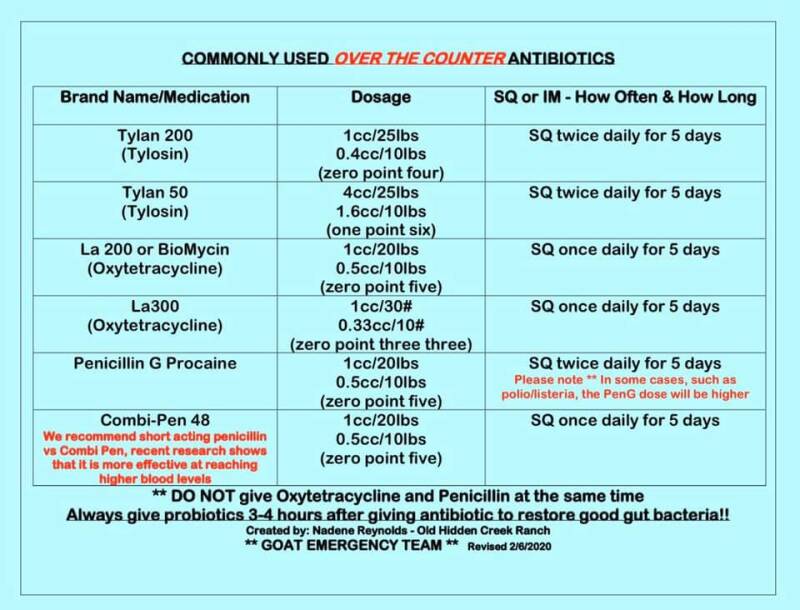
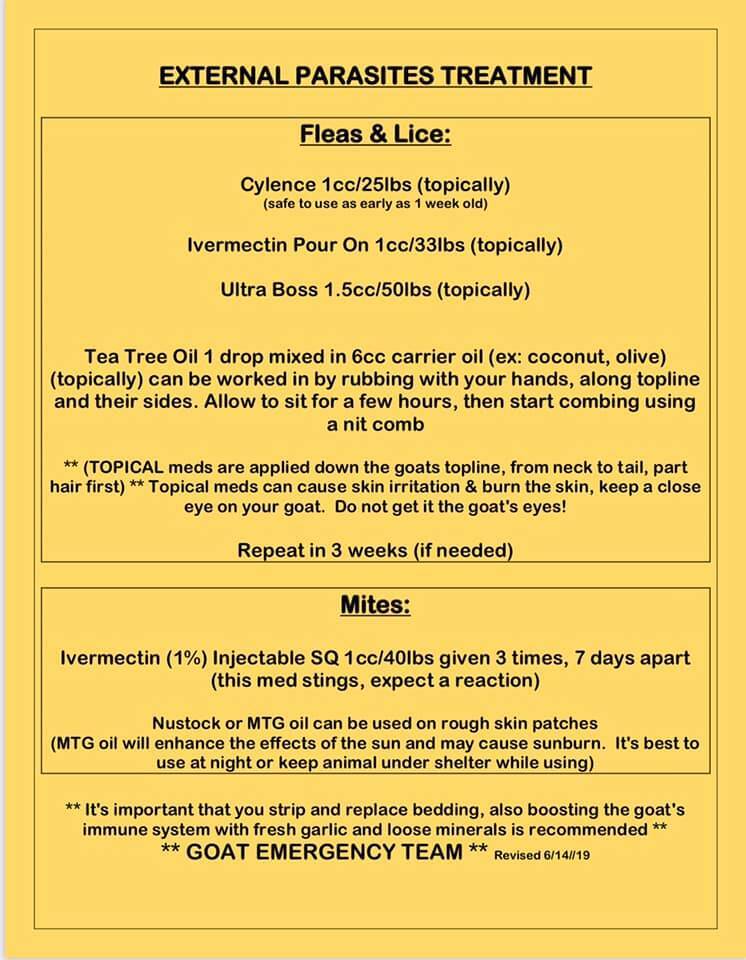
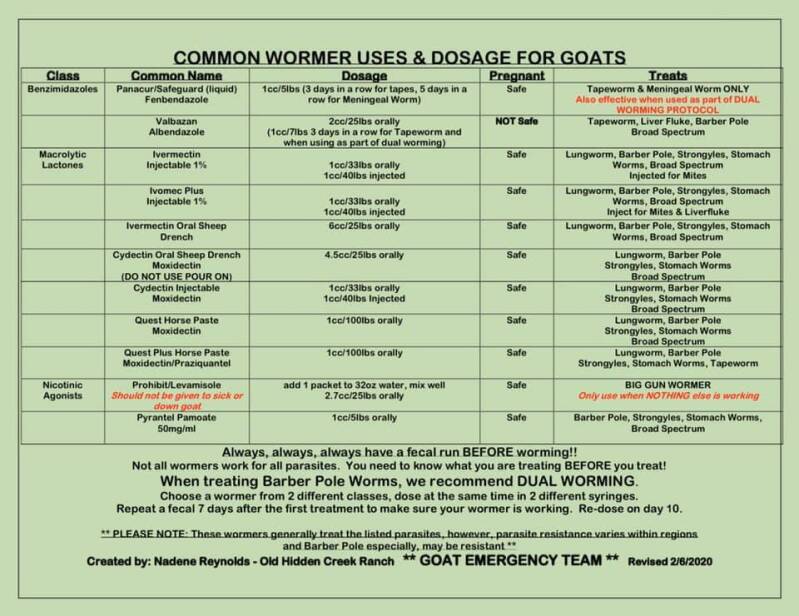
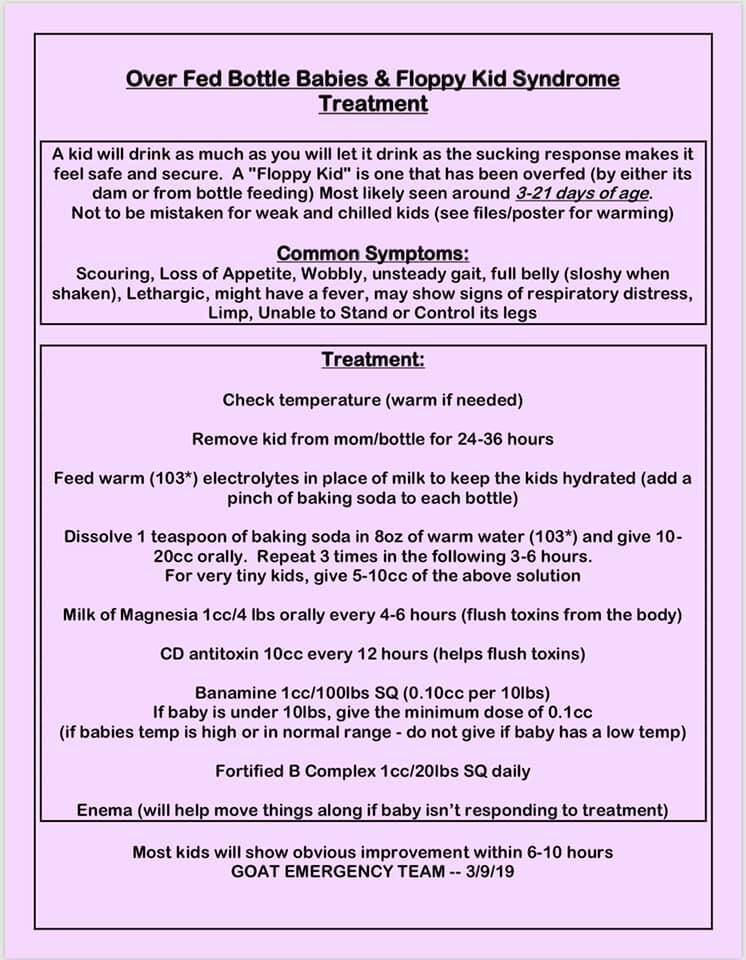
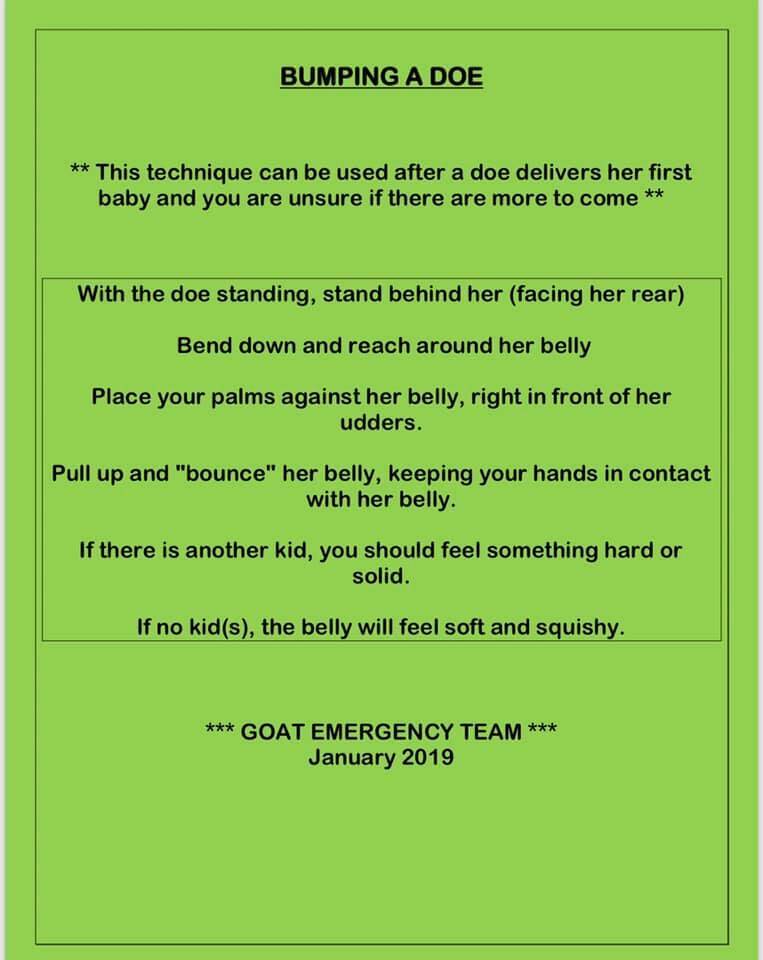
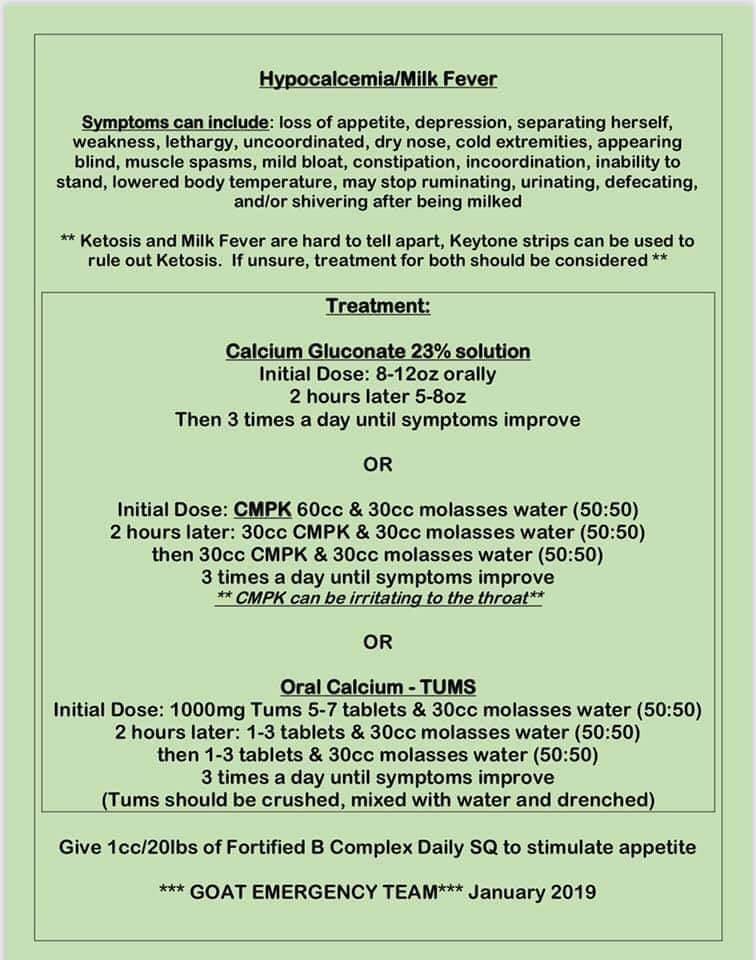
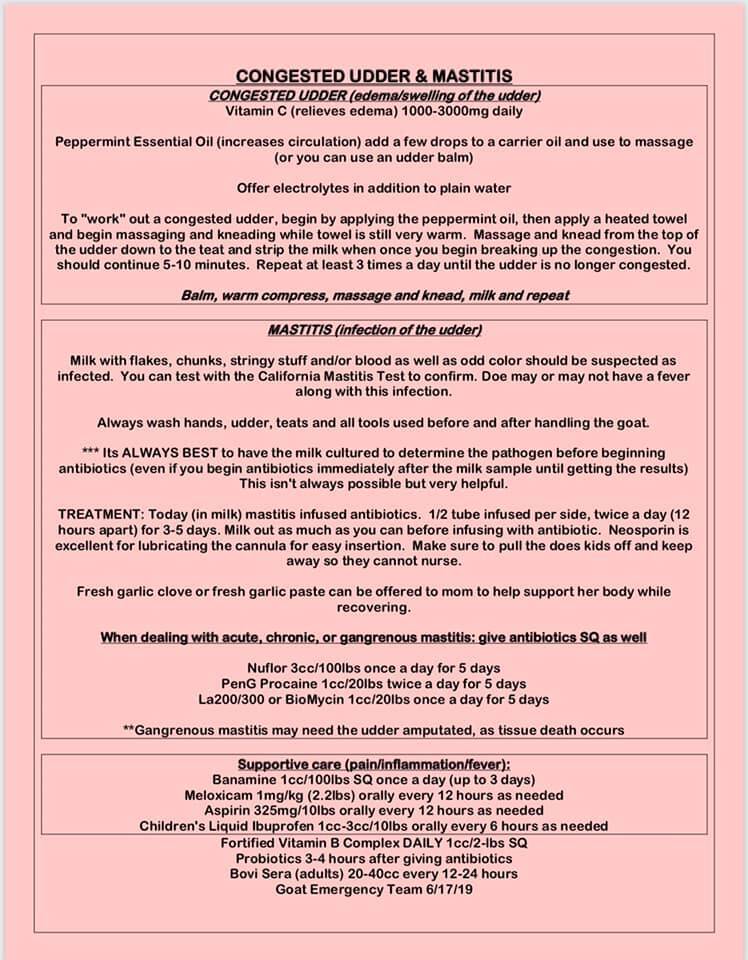
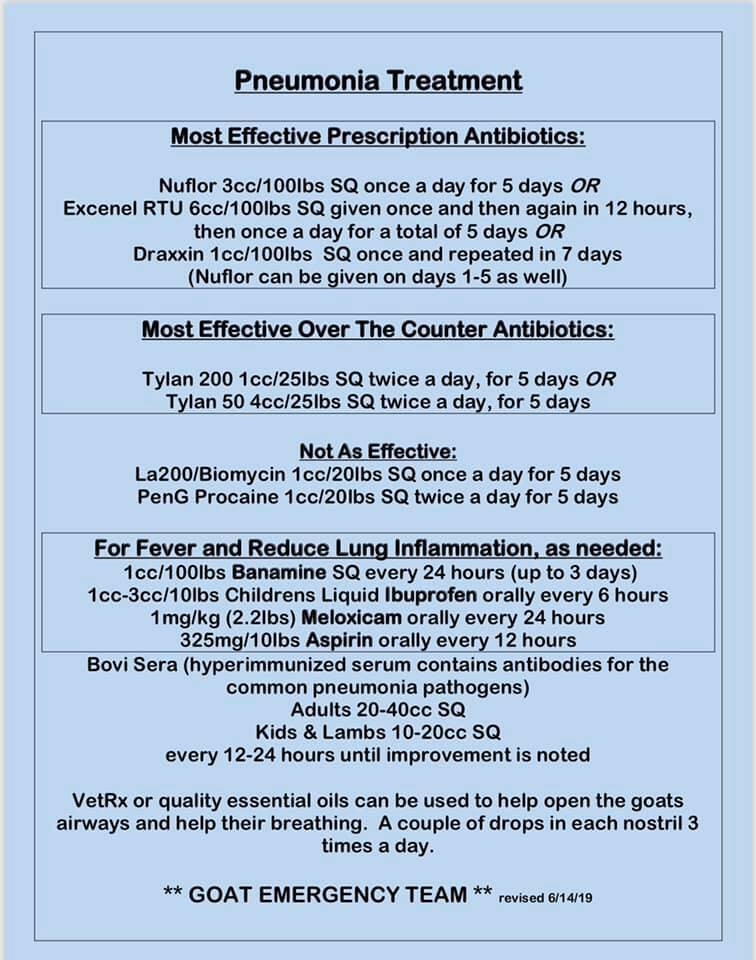
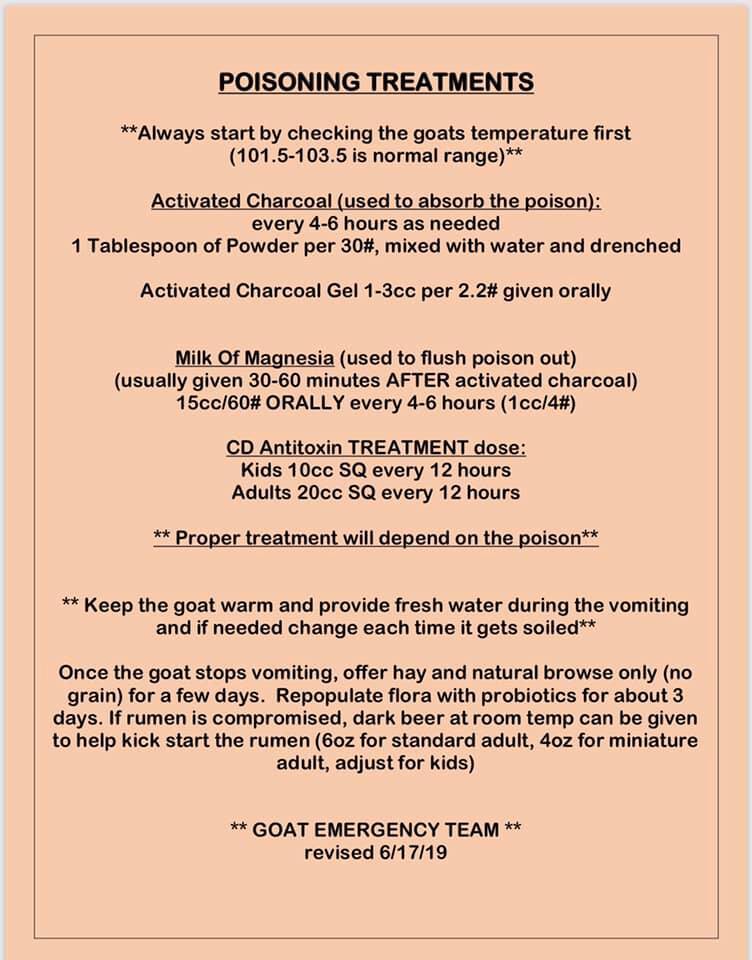
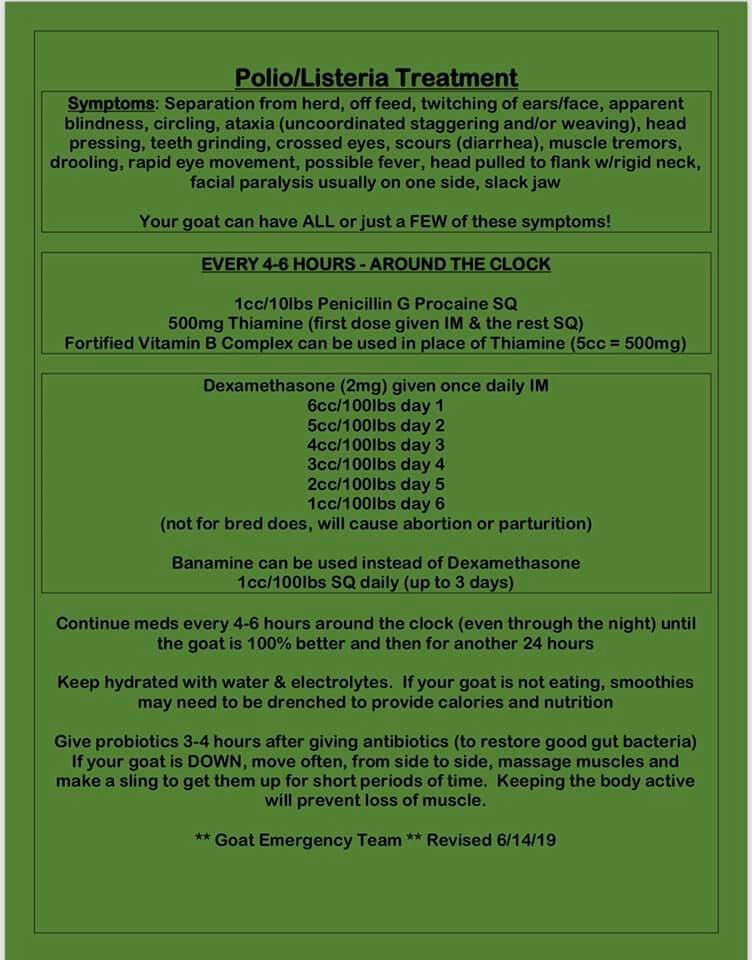
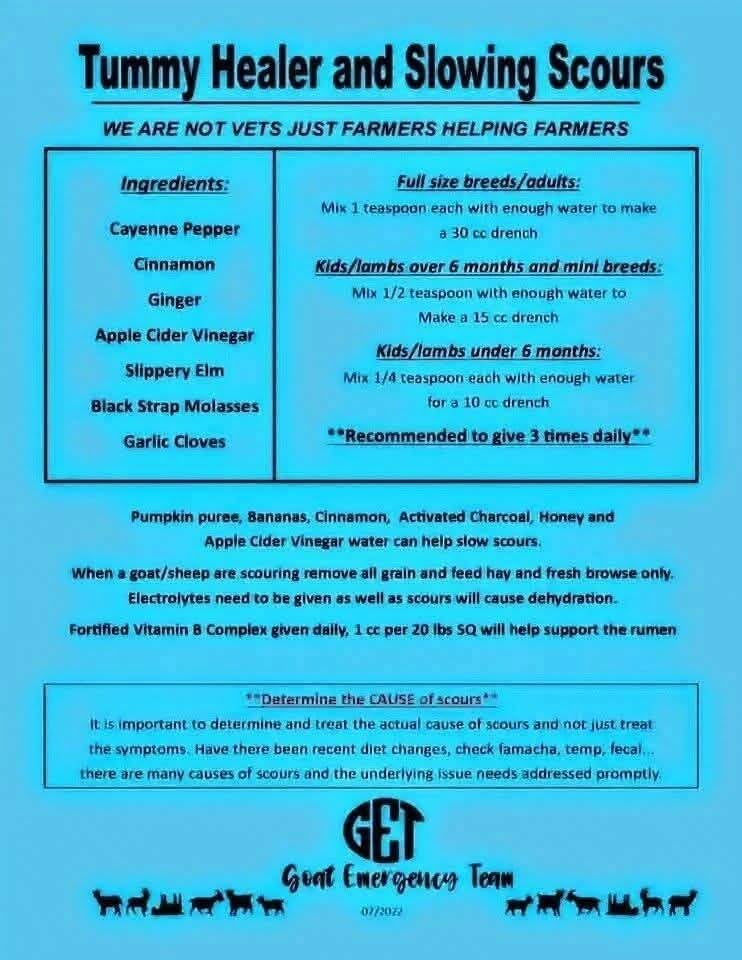
Helpful charts:




*** Our email system is being updated-
if you'd like information or to contact us;
Text/Call 267-418-8940 or email us at
wbriarhillfarm@gmail.com
Connecting through knowledge: Articles and conversations
We believe in fostering a community of informed goat owners. Our knowledge is shared through insightful articles and personal conversations, offering tailored advice to address your specific questions. We're dedicated to helping you build confidence and expertise in responsible goat ownership at Briar Hill Farm. Reach out to connect!